• IMG_2799

    My quest to find a P90s guitar seemed like it was going on forever. It all started with a reissue double-cut Les Paul Special that a friend of mine had years back. I coveted that guitar and looked around for one a little, but they were scarce and expensive. More recently, I ramped up the search but still kept coming up empty handed.

    I’ve been eyeing Epiphone Casinos, Les Paul Specials, Juniors, SGs, and of course lusting after expensive Les Paul gold top reissues, everything under the sun it seems, even Guild X-175s – they sound great but not really my style of neck. I had seen a few people playing the recent model Gibson SGs with P90s and I love The Who, so that was high on my list. I was almost ready to order a Gibson 2016 SG Standard – they dropped the price from $1200 to $999, but I had played one a few months ago and was unimpressed. I have to add that I have an amazing 2014 SG with 57 Classics so, the bar was a little high.
    IMG_2790

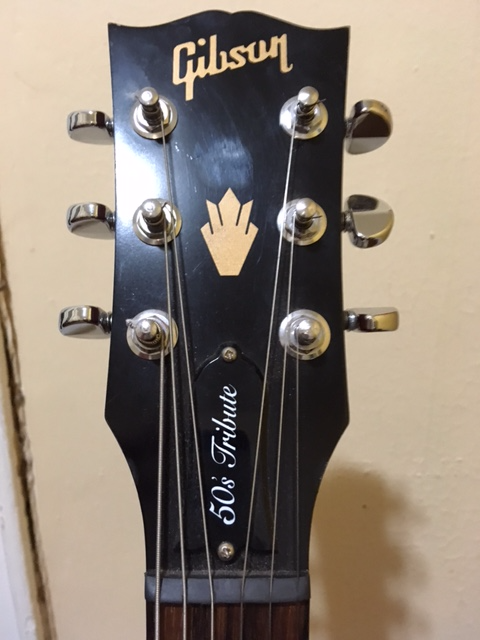
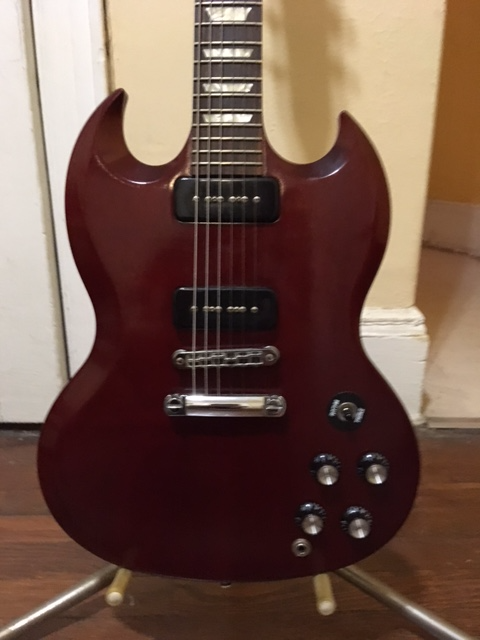
    The nut is a little bizarre. Graphite? I might have a new bone nut made for it. Also, '50s Tribute'? Didn't the SG model start in the '60s? The logo looks like it could be easily scraped off…

    Recently I tried a ‘tribute’ SG at Sam Ash in Queens that wasn’t half bad at $399. It seemed slightly toy-like, but I was getting desperate and it really wasn't half bad. A few days later, it was gone! So I tried a bunch of modern Specials and even Juniors but they were all huge necks and that awful tuning system, Ugh! Not really high quality. A Modern style Special in TV Yellow was gorgeous but see above. Sam Ash is blowing them out, if you’re interested.
    IMG_2794

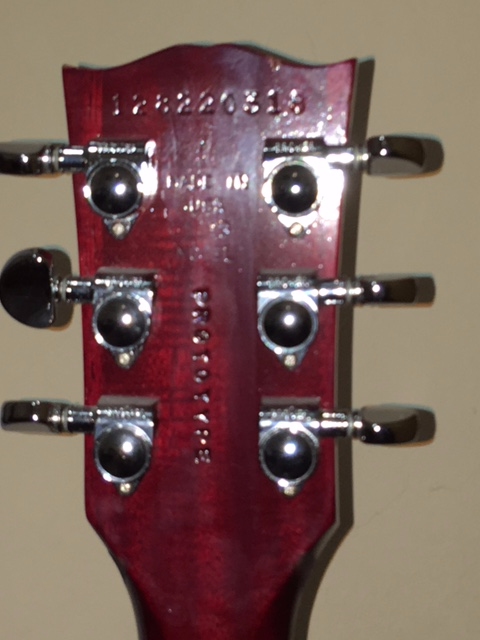
    Gotta find out a little bit of the history of this particular guitar. Note 'PROTOTYPE' vertically stamped in.

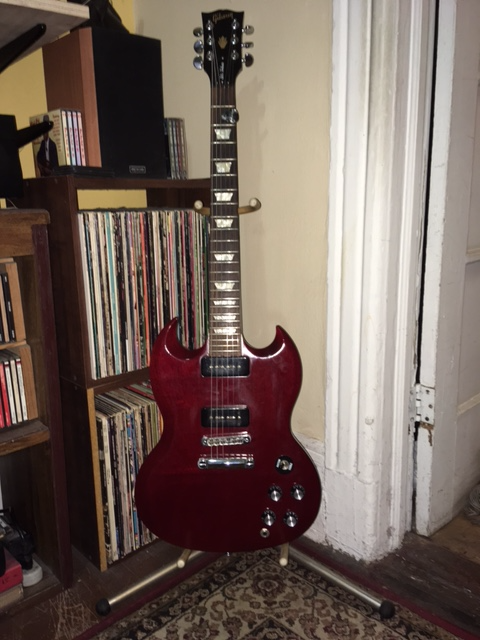
    Today, I ran into this used Gibson SG “50s Tribute” at Guitar Center. At $499 it was a bit more than the cheapie that got away but it was also a much more substantial guitar. In fact, the quality level is maybe slightly higher than the Standard that I tried earlier this year, and it sounds better, too. I’ve always had a theory that guitars from the beginning of the line (I don’t know how long Gibson has been doing the Tribute series) are better. This guitar has “prototype” stamped into the back of the headstock, along with Made in USA, a very long serial number, and 2013 Model. I’ve never seen that – Prototype! And it's definitely been played.
    IMG_2797

    I'm thinking of getting a pickguard and replacing the truss rod cover to make it like a fake '60s era Special, heh heh… Maybe drill a couple of holes… Not.

    It reminds me of the guitars that I used to see guys playing in my neighborhood back in the day. A little dinged up, a nice cherry finish, and that mean shape. Unlike my 2014 SG “61 Standard,” it doesn’t “play itself.” The neck is pretty chunky and the action is a bit high at the moment. But it sounds very balanced with very good intonation and a decent top register. The P90s are warm, have good midrange and some high end sparkle. And it's LOUD! Because it didn’t cost $1200 or more, I’m less worried about a headstock accident, using a gig-bag, etc. It also definitely feels like more than $500 worth of guitar. Way more. I bought it on the spot. It has tons of mojo. I love SGs and I love loud guitars! I’m excited. 
  • Fenders at Jeffs2
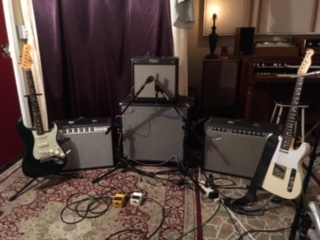
    It was a little dark in this studio, but a bevy of Fender beauties was on hand for some recording work on the new Saints and Sinners album. It was only after recording for several hours that I realized what a bounty of Fender delishiousness was present and I took this picture. There is one impostor, however.

    On the left we have a '62 reissue Strat in Forest Green Metallic. I used that on a minor blues that includes some weeping whammy dives and some heavy tremolo action. We started out with the brand spanking new Princeton 68 Custom at left but the breakup was too much and it wasn't really working with the track, which already had a more distorted guitar on the basic track. So we switched to the '65 Reissue Deluxe at right, which did the trick. A little bit less lush on the tremolo, but the tone was cleaner and fit right into the track. 

    For a rhythm part on a new tune, we plugged the Kelly Tele at right straight into "The Beast," aka the Pro Junior sitting on top of the Fender one 15" cab (only employed as a stand ;-). An unbelievably useful amp! It does not really do clean although it has provided some nice cleanish tones with the green Strat on other tracks. All in all it was a fun and productive afternoon with Jeff Cook at his awesome Linden Underground studio!


  • Dinah Looks Right

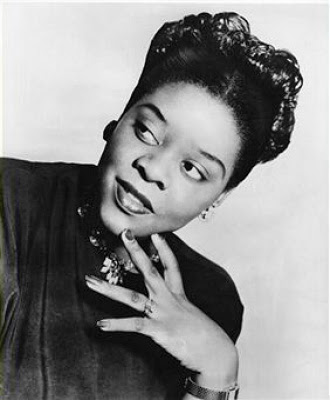
    Dinah Washington doesn't get a lot of press these days, but before her untimely death in 1963, she was known as The Queen. Her style is a little hard to pin down and that might be a reason why she’s less well known than other female jazz, blues and pop singers of her day. Dinah could sing all those types of music and she had a spicy persona on stage to go with her dramatic offstage life, too.

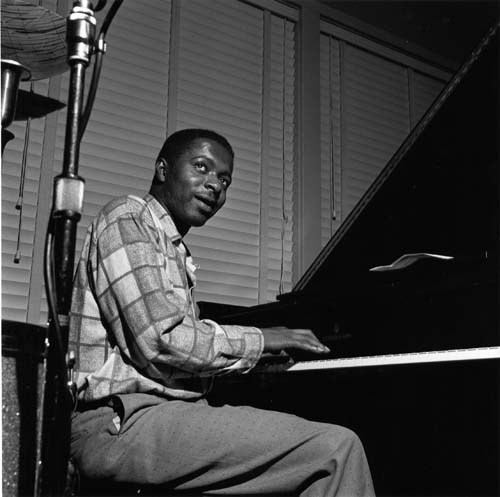
    Dinah’s voice was penetrating and direct and there is a ton of attitude in her singing. Her enunciation and diction were outstanding and you can understand every word that she sings, something a little unusual for a ‘blues’ singer. She was a tremendous musician, with a fabulous sense of rhythm, a great ear and a work ethic second to none. Top shelf jazz musicians clamored to play on her records. She also had a sharp eye for talent. For example, at one time Wynton Kelly and Jimmy Cobb later of Miles Davis fame (both played on Kind of Blue) were part of her backing group on the road and in the studio.

    Dinah Washington Stamp

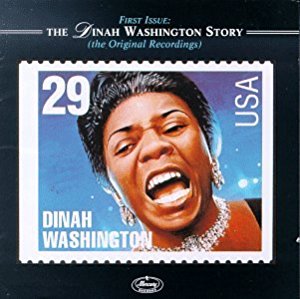
    This is what the cover of First Issue: The Dinah Washington Story looks like, in addition to The Queen's very own postage stamp!

    She started out as a gospel singer but by her late teens she had her eye on a life as an entertainer. Her early records were labeled blues and she struggled to be accepted as a jazz artist, eventually crossing over to the pop charts with her biggest hit, “What a Difference a Day Makes,” and “Unforgettable” both in 1959.

    But her insecurity about her looks and her need to be loved undermined her personal life. She was married eight times by the time she died at thirty-nine, with many of the unions lasting less than a year. She was obsessed with her weight, and her use of amphetamines to control her appetite and keep on working was her ultimate undoing.

    She had two sons who she doted on and she spent as much time with them as she could despite her constantly being on the road. She could be tough on her friends but at the same time was loyal and generous and the people that knew her were generous and loyal in return. If you’re wondering about all these qualities and how they might affect her music, you’re probably right – Dinah’s fans and the musicians who were so impressed with her singing felt that Dinah possessed copious amounts of the quality known as “real” – she sang it like she lived it.

    Listening to Dinah’s records is fascinating. The backing is utterly astounding from her very first singles on. Top jazz musicians play wicked blues and jazz at times aided by strings with The Queen always front and center but leaving plenty of room for the cats to do their thing. Musicians loved Dinah.

    Wynton Kelly

    Wyn Kelly at the Keyboard

    A good place to start is with her first big single, “Evil Gal Blues.” The piano begins the song with mean ol’ diminished chord licks before Dinah tells the world how bad she is. It became a signature song for her and places her firmly in a blues/jazz/r&b bag – too slick for R&B, too sophisticated for blues, too bluesy for jazz, now how do you like that? An original was born!

    I’m a sucker for the blues songs so let’s head on over to one of Dinah’s late triumphs, her nine-minute, tour de force blues medley, “Trouble in the Lowlands,” which includes Bessie Smith’s “Backwater Blues,” along with the blues standard, “Trouble in Mind.” It’s a feat to keep a blues going for almost ten minutes, but the combination of Dinah along with a superb, uncredited guitarist makes it spin. It’s a must hear for any serious blues guitar aficionado.

    Dinah did lots of novelty type stuff and the song “TV is the Thing (This Year)” is a perfect case in point. It was a big hit for her and a crowd favorite. It reminds me of Elmore James singing, “TV Mama,” but Dinah is far raunchier than Elmore James.

    Dinah book

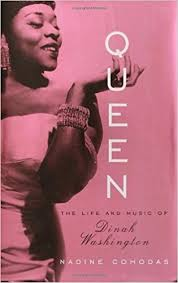
    I know all of this because I read a terrific biography about Dinah by Nadine Cohodas, called Queen: The Life and Music of Dinah Washington. I was also aided by an excellent collection that I got out of the library, First Issue: The Dinah Washington Story. There are forty-six cuts on the double CD set and it never gets boring! Another CD to seek out is Dinah Jams. Do I have to explain that one?

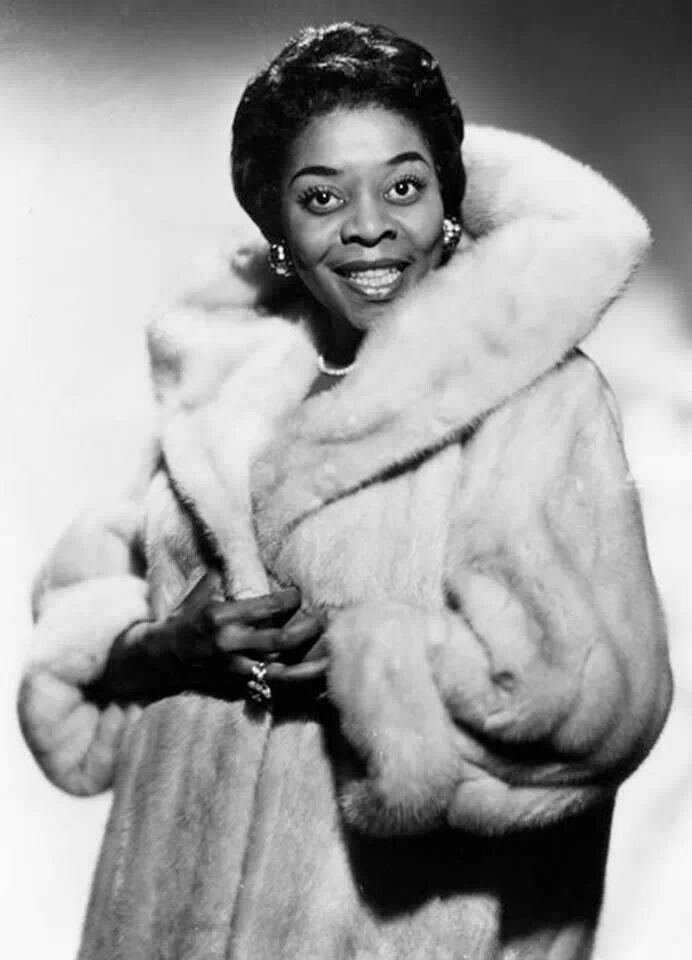
    Dinah Washington did pretty well for herself. She had somewhat of a fixation on fur, favoring minks. She bought a house in Chicago for her Mom and her sisters and other family, and then an apartment in New York City for herself and her sons, and another building in which she set up her father. At one time she had a pink Cadillac and always drove a fancy ride.

    Dinah in Fur

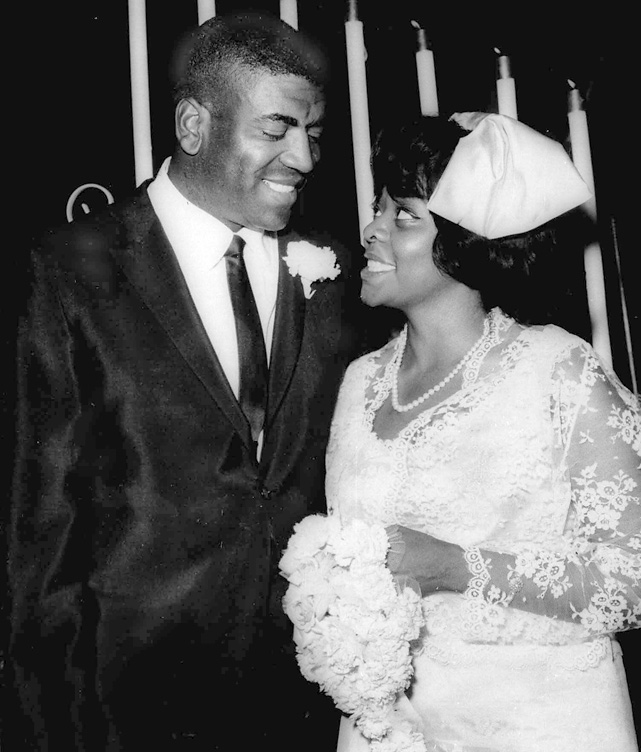
    Dinah generally had a taste for the finer things in life, including Champagne. But the biggest catch of her life was certainly her last husband, Richard “Night Train” Lane, who was a Hall of Fame pro football player for the Detroit Lions (see below). Her short time with Lane seemed to be happy and while reading this relatively brief part of Cohodas’ book, you get a feeling of what Dinah’s life might have been like if she had lived, slowed down, or just had a little more luck in romance.

    Dinah Night Train

    I became interested in Dinah Washington when my Mother told me that she was a fan of hers as a teenager. This post is dedicated to my Mom, who loves the great jazz singers of the 50s. I love you Mom! -Christian Botta


  • Strumming the guitar is sometimes challenging when you’re starting out. The motions can feel awkward, and it seems like there are many different patterns to learn. In fact, there are two main strum patterns that are absolutely essential, and if you get them down, it will make it easier to learn the more complex patterns.

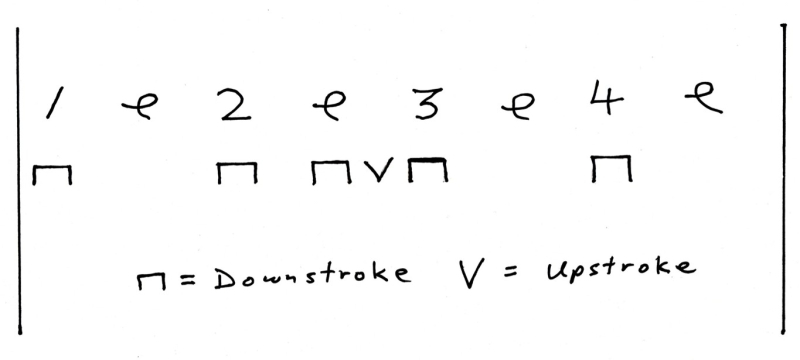
    Let’s look at one of these essential patterns, as used in “Knockin’ On Heaven’s Door,” an easy song by Bob Dylan. One way of thinking about strum patterns is tempo – is the song slow or fast? “Knockin’” is a slow song and it employs a pattern that works well at slower tempos, where lots of fast little notes, usually known as sixteenth notes, are possible. The pattern is written like this:

    Knockin' Strum Pattern

    Let’s see what’s happening behind the scenes. You’re probably familiar with counting 1, 2, 3, 4, which signifies 4/4 time. The next step is to subdivide the beat, 1 & 2 & 3 & 4 &. We now have eight rhythmic spaces, corresponding to eight “eighth notes.” Our pattern for “Knockin’ On Heaven’s Door” has a down-stroke on each of the four ‘strong’ beats (1, 2, 3, 4), plus a quick down/up on the eighth note right after beat two. These two quick strums on the “&” are the sixteenth notes. Watch the video and you’ll see how it all comes together. Notice that the right hand is always moving, even if it isn’t striking a chord.

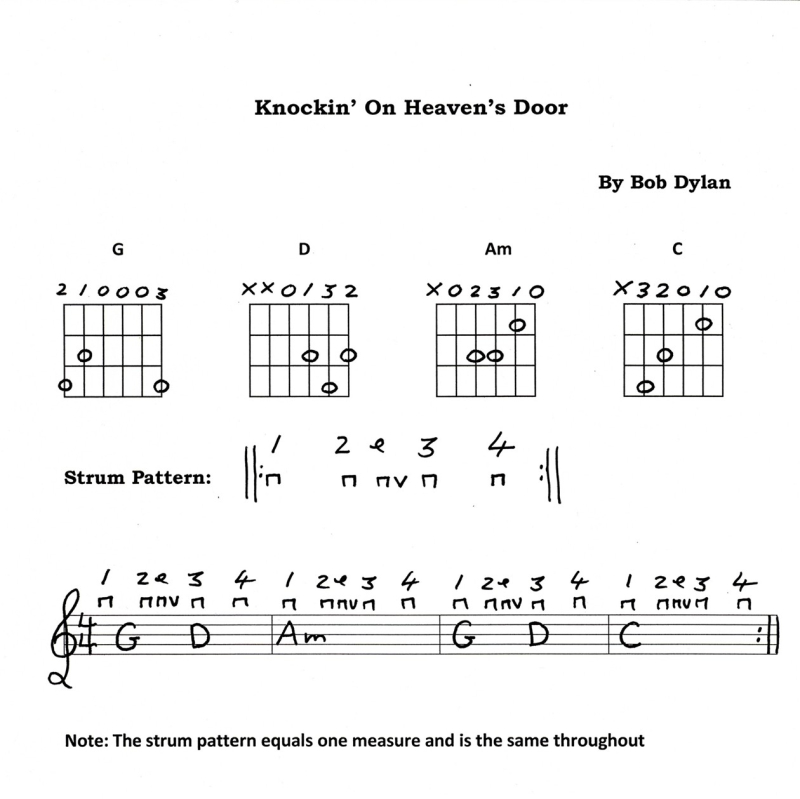
    Practice the pattern on one chord for a while to get familiar with it, and then try it with the chord changes. You have to hustle after those quick strums to make the chord change from G to D, but that’s a good thing. The right hand leads and the left hand follows, not the other way around. Our strumming pattern is somewhat stripped down. Arranging the pattern this way breaks up the measure into two different parts, so you always know where you are. Also, it's easier to make the rest of the chord changes. A chart for the song is below.

    Knockin' Chart

    I highly recommend listening to Dylan’s original version of the song (in the link above), because the acoustic guitar is up in the mix, and also, because it's just plain awesome. You may be able to tell that there are more of these quick sixteenth note strums in the pattern that Dylan plays. The truth is, no experienced guitarist plays the exact same strumming pattern all the way through a song. You can add in these notes when you’ve mastered the basic pattern. Then you have two patterns, right? Here is an audio version of me playing and singing the song. I keep it to just the basic pattern:

    Knockin'

    When I went through my “Dylan phase” in the early to mid-eighties, I was more or less unaware of “Knockin’,” even though it reached number twelve in 1973. But nowadays, almost everybody learns it since it was popularized by G’n R, Eric Clapton and others. Every time my band plays the song in a bar we get a great crowd response.

    The other essential pattern that you must learn is based on eighth notes and works best at a brisk tempo. I call it the “basic syncopated strum.” To learn more about this strumming pattern, take a look at my video lesson. For further study, my lesson on compound strumming patterns shows how you can combine the two essential patterns to form a third pattern that's used in the song "Hey Joe" by Jimi Hendrix. Have fun! -Christian Botta

  • Mott Live2

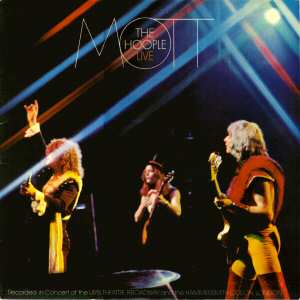
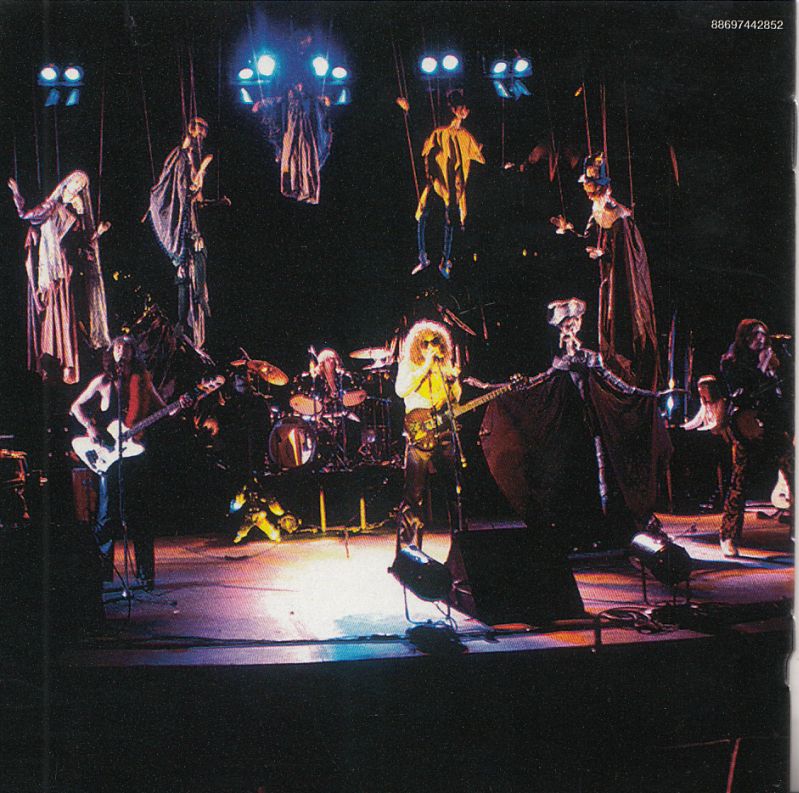
    It was the cover of Mott The Hoople Live that hooked me. With its crisscrossing blue and red lights, front line of three rock warriors, and bass player Overend Watts’ outrageously colorful getup, it was hard to resist. The back cover was equally impressive, with the lurid purple-tinged lighting and marionettes hanging above the stage. I first saw the LP at my local record store and bought it on the spot. I didn’t even know that the local band on which I had recently cut my rock and roll teeth was named after a Mott song: “Threads of Iron.”

    The sonic contents were no disappointment, either. I thought of it as sheer balls rock and roll, with a crunching guitar attack led by one Ariel Bender, aka Luther Gosvenor. The cheekiness of his sobriquet only added to the intrigue. Bender was only with Mott for the live album and one studio platter, The Hoople. But he made a big impression on me with his screaming lead sound that soared over the top of an extremely tight band in which Watts’ heavy bass, a bevy of keyboards and the distinctly modern sounding drumming of Dale “Buffin” Griffith provided more than a little weight.

    Mott-the-hoople-live-Back Cover

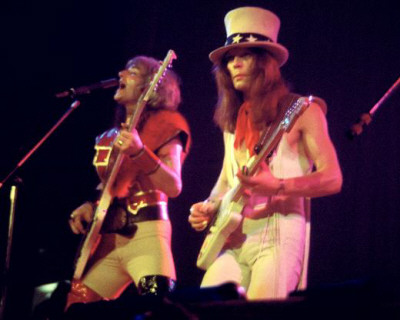
    Critics of the original single LP version always point to the back cover, which features a picture of the band playing “Marionette,” a song that doesn’t appear on the record! Big Deal! Awesome photo! Ariel Bender at right with Les Paul Junior.

    The highlights of the LP of course include the David Bowie penned “All The Young Dudes” which is credited with saving Mott’s career. The studio version sounds great on the radio but I really love the live version with AB’s quintessential glam rock lead guitar, perhaps even more glam than the glam-master himself – the great Mick Ronson – or was original Mott axeman Mick Ralphs the glam-master? All three guitarists are truly great stuff. Ronson’s sound is more of the cocked-wah variety, while Ralphs plays a more traditional, sweet Les Paul sound.

    Freddie Mercury Mott

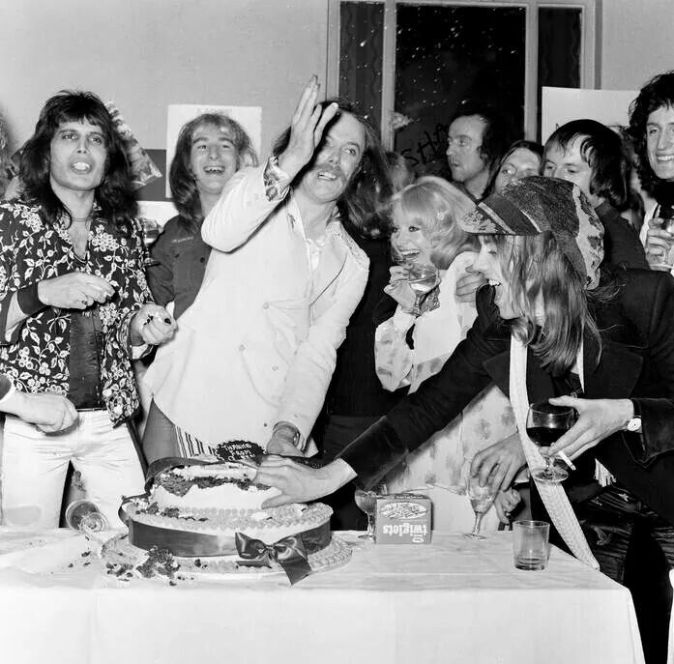
    Backstage shenanigans with Freddie Mercury, left – Queen was the opening act on the tour! The Mott Live album was recorded half on Broadway in NYC and half at the legendary Hammersmith Odeon in London.

    It’s true that Bender is playing a lot of Mick Ralphs’ lines. But he’s adding in a lot of his own and he’s playing everything with such gusto, including the rhythm parts, that it boosts the energy level up a couple of notches. He has such a scorching tone and monumental sustain, that it is a perfect example of what I call the “fire sound.” The fire sound is a rare achievement. Every good guitarist hits upon it once in a while, most often in their bedroom. But as they say, every musician in the orchestra is great in their bedroom (!), but the concert master can do it in front of a packed house. AB can keep it going at will.

    At the beginning of another standout cut, “Walking with a Mountain,” Ian Hunter shouts, “I’d like to introduce you to Ariel Bender!” So, you know there’s going to be some pyrotechnics. He tosses out hyper-drive Chuck Berry licks from the original song itself, while occasionally slipping in these long and speedy Middle Eastern inspired one string pull-off runs, and caps the tune with a solo rampage before the big drums and final band hit. Luther was mainly playing a Les Paul Junior and it seems that most of his fierce sound is just guitar and amp. He does whip out a Fender Strat for some whammy licks and slide guitar but these only show up on the Deluxe Edition (another reason to buy it!)

    Ariel Bender

    Luther on the right with a white Strat and slide.

    One of the great things about London rock bands is that it's permitted, no almost expected that they will ape the Who at one point or another. In that spirit, the big medley that is the climax to Mott's Hammersmith show reeks of power and energy to spare with a dose of humor thrown in for good measure. Weaving in “Jerkin Crocus,” a taste of the Kinks’ “You Really Got Me,” “One of the Boys,” Mick Ralphs’ riff from “Can’t Get Enough,” “Rock & Roll Queen,” “Get Back” by the Beatles, a tiny tip of the hat to the Jean Genie, some “Whole Lotta Shakin’,” and Mott’s classic, “Violence,” the boys show why they were one of the greatest live bands of that or any era.

    I’ve tried to get in touch with Grosvenor in order to talk playing technique, guitars and amps, but so far my entreaties have failed to get through. I did see an awesome video of him playing at a blues festival in the UK where he displayed some of what would seem to me his roots style, a Jeff Beck influenced ability to wring all sorts of cool sounds and interesting approaches from a basic Fender Stratocaster and house amp.

    This is definitely an album that comes with a back story. If you don’t have it already, what are you waiting for? A lot has been said about the track listing as compared to the import double album. There isn’t space here to do an in-depth comparison of the two releases. Suffice it to say, the sound and performances on the single LP issue are consistently amazing. They don’t make them like this anymore! -Christian Botta

  • ©AndreaFischman-DSC_6623 (640x427)

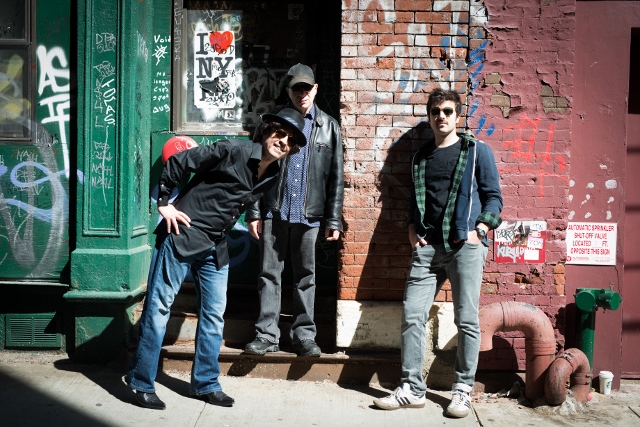
    L-R: Christian Botta, Dave Gerstein, Daryl Cozzi. Photo by Andrea Fischman

    As the name implies, Saints and Sinners is a band with more than one flavor. There’s the down and dirty blues of our Chicago and Mississippi inspirations, the hedonistic excess of ‘70s rock and funk, plus the here and now – trying to create something new and stir things up.

    Guitarist and lead vocalist Christian Botta is an experienced player whose melodic lead excursions and slide guitar rave-ups have entertained blues audiences from Memphis to Budapest. Bassist Dave Gerstein is a NYC cat whose fat groove and impeccable taste don’t get in the way of his need to rock. Drummer and vocalist Daryl Cozzi hails from Wisconsin and plays a deep pocket inspired by Stax, Muscle Shoals and like powerhouse timekeepers.

    Saints and Sinners formed a year ago in NYC. Having played together for years, Chris and Dave were introduced to Daryl through a friend and immediately began gigging – The Shrine, Bar Chord, American Trash, Bowery Electric – always with an eye towards making a record. The tunes below represent a sneak peak of what promises to be a fun and danceable slab of blues and rock & soul. The tunes were recorded at Virtue and Vice in South Williamsburg and Jeff Cook’s Underground in Bushwick. Click to listen:

    Going to Main Street

    Kicking it off is the Muddy Waters tune, “Going to Main Street” a song that inspired Chris when he heard Levon Helm kill it at a Hubert Sumlin birthday bash. Saints and Sinners take the song into the Rockabilly zone, with a raw twang and swinging beat provided by Cozzi, also a Levon devotee.

    Door to Door Blues

    Chris wrote the original “Door to Door Blues” when he was selling wine on “The Street,” as it’s known in the trade. A notoriously difficult business, there are some perks however. They reveal themselves in the third verse.

    Malted Milk

    The band’s cover of Robert Johnson’s “Malted Milk” is a full transformation, from quiet and pensive to celebratory, from Sunday morning back to Saturday night. The slide guitar gets free rein and the rhythm section is smooth and strong through the multiple meter changes that support the reworked melody. Chris even tries on a hint Robert Johnson vocal devilry.

    San-Ho-Zay

    “San Ho-Zay” is a Freddie King instrumental that the boys give a tough spin and a modern sound. The synergy of the rhythm section is on display as Chris plays a couple of Freddie’s choruses and then a couple of his own.

    Look for the full Saints & Sinners LP this summer!


  •  

    The biggest challenge facing beginning guitarists is the question of how to improve the speed and accuracy of chord changes. How do the fingers move as a unit? Which finger moves first? The truth is, a kind of organization is involved with each chord change, and one can cultivate that skill.

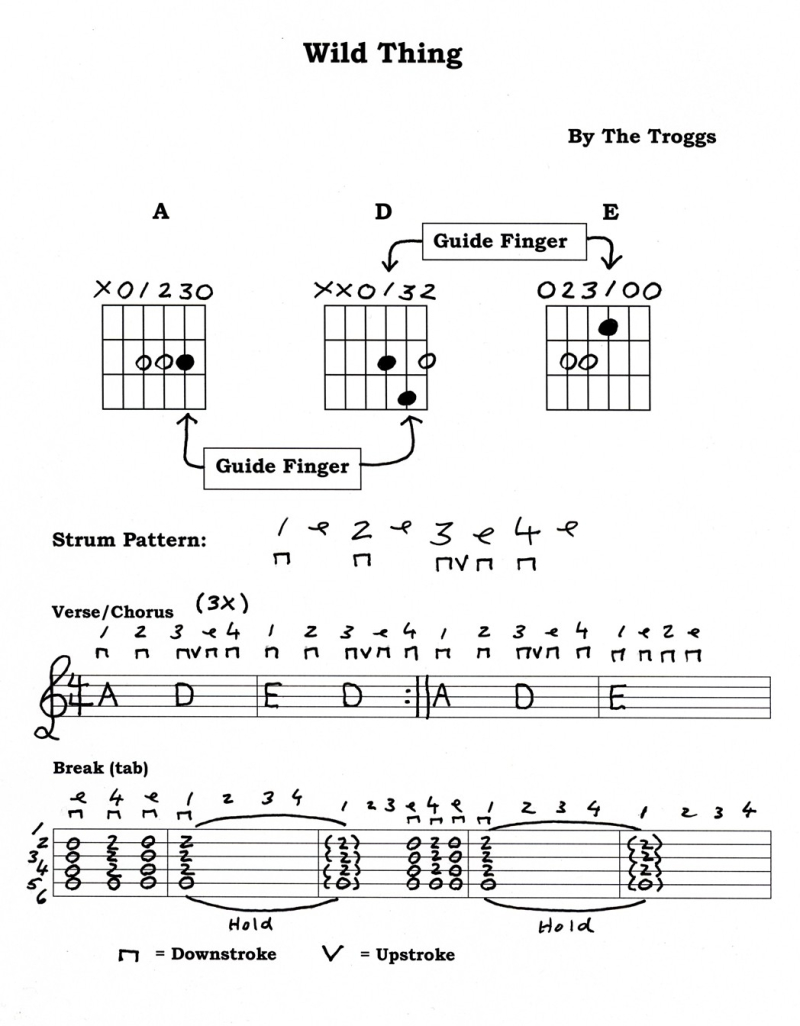
    One of the most useful techniques is the use of “guide fingers.” A guide finger is a finger, for example the third or ring finger of the fretting hand, that is used in both of the chords in a chord change, on the same string. The guide finger slides along the string from the fret of one chord to the other, maintaining contact with the string that it has in common with both chords. The song “Wild Thing” is excellent for learning this technique because it uses two different guide fingers in the main sequence, the third finger and the index or first finger. A very simple arrangement of the song is in the tab below. But it’s most important to learn the basic changes of the verse and incorporate the guide finger technique.


    “Wild Thing” starts on the chord A major and then changes to the chord D major. Play A in the old fashioned way, the one-two-three fingering shown below and in the video. The third finger slides up and along the B string from the note C# at the second fret to the note D at the third fret. Maintaining contact with the B string saves time (the third finger doesn’t have to find the string of the new chord, just the fret – and it’s going directly there via the shortest possible route), and adds organization to the complex movement needed to change chords.

    There are actually three moves that have to be executed for a guide finger chord change. It may seem like a lot, but in the end, when all the parts of the hand are moving at the same time, it will save a lot of time and work. First, lift the non-guide fingers, ie the first and second fingers. This frees up the motion of the hand itself and gets the fingers on their way to their new positions in the D chord. Next, slide the guide finger up to its new position at the third fret on the B string, maintaining contact but not pressing on the string. Finally, place the first and second fingers in their new positions on the D chord. You must also practice the change in the opposite direction, from D to A.

    Wild Thing

    Use the same strategy when changing from the D to the E major chord. Pick up the second and third fingers from the D chord, then slide the first finger along the G string into place at the first fret for the E chord. Then place the second and third fingers into their respective positions in the E chord.

    The rhythm pattern for the song is perfect for adding a little urgency to the situation. Practice very slowly at first, without rhythm. Then gradually increase the tempo and add rhythm, and keep the right hand moving if possible, mistakes and all. Remember, the right hand dictates the rhythm and therefore the timing within which the left hand must move. Don’t let the left hand slow things down. It has to hustle!

    Notes on the chart/tab: The main chord change goes three times plus an incomplete third time where it transitions to the break. Beware the repeat sign! For the break, just take your fingers off the A chord and use the open B, G and D stings to form a G chord with A in the bass. This alternates with the A chord (see tab). Good luck and have fun!

    -Christian Botta

    Return to chrisbottaguitar.com

  •  

    Steve-jones-lonely-boy-sex-pistols
    The Sex Pistols are such a media driven band that one would think that there’s not much more you could learn about them. I even wrote a term paper in grad school mainly about the Pistols. The course was entitled, Music and Indoctrination. But there is still plenty to learn until Paul Cook’s bio comes out. I’ve read and own Glen Matlock’s, I Was A Teenaged Sex Pistol and John Lydon’s Rotton: No Irish, No Blacks, No Dogs. But Steve Jones’ Lonely Boy, written with Ben Thompson, is the most entertaining and possibly the most revealing.

    Written in a cockney slang style with plenty of four letter words thrown in, Jones claims to have been largely illiterate until he brushed up on his reading and writing skills in recent years. During this time he has also been seriously focused on his pursuit of sobriety, something that he brings up at the beginning of the book. The title of the book doesn’t become completely clear however until the end. Jones makes a lot of what he calls his “dark and depressing” upbringing and childhood and . There is an open and honest psychological aspect to the book, something you might not immediately expect from a roughneck like Jones, but there it is.

    Steve Jones LP Special

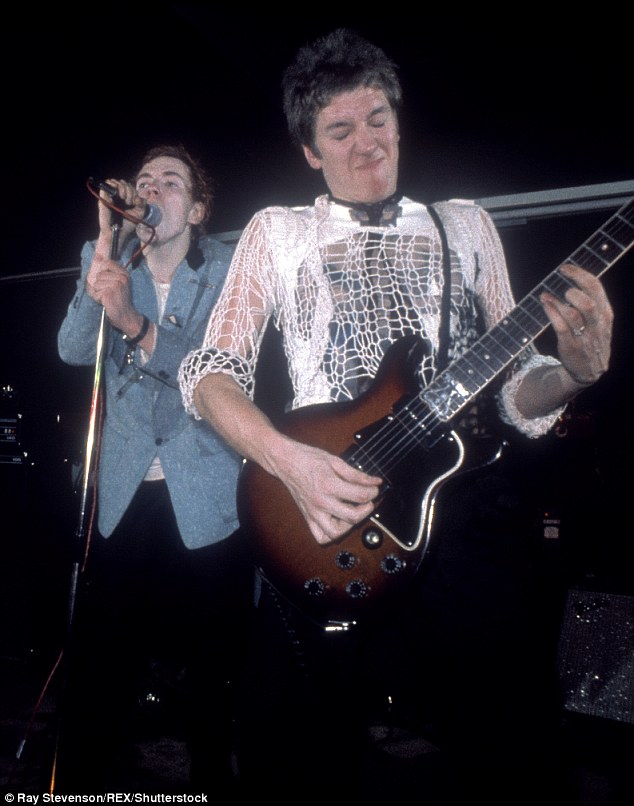
    Jones works one of his many high quality axes onstage with the original lineup of the Sex Pistols

    However, you keep wondering if he’ll finally meet and settle down with one of the multitude of women that he beds, but he never does. I don’t think I’m spoiling anything for anyone here. Many readers could have easily predicted that and it doesn’t change anything. There is really no suspense.

    There are plenty of good times, though, and interesting stories. Fans of the Sex Pistols and of the glam rock era bands like Mott the Hoople that preceded their rise will definitely want to get a hold of a copy. Steve Jones is good company, just as long as he isn’t stealing your guitar or your girlfriend. He makes a lot of those two themes, but he knows what he’s talking about. I wish that he would have spent a little more time looking into his musical career but he claims to not remember a heck of a lot about various periods. I would have especially liked to have heard about his involvement on Iggy Pop’s Instinct, certainly my favorite Steve Jones album after Never Mind The Bullocks.

    Also given his perverse love of guitars and the ferocious sound he is able to get out of them, one would think that he has something to say about guitars and musical equipment in general. But he doesn’t seem to be too focused on music right now. At the time of writing, he had resumed his DJ gig in L.A. and he’s appeared on numerous albums over the years but the last few Sex Pistols reunion tours seem to have taken something out of his drive to play guitar. It would seem that music is really just one of his numerous and not always healthy obsessions, the only real work he has ever done.

    Sex Pistols

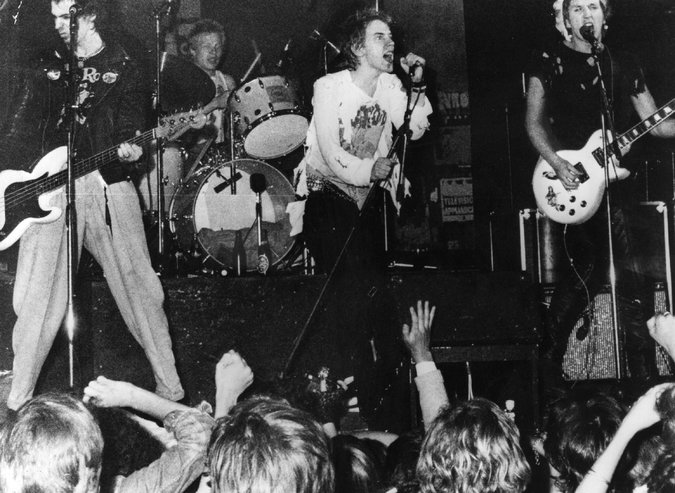
    The Pistols on stage with Sid Vicious

    I’ve been reading a lot of rock bios lately and I read this one in one sitting, on a plane flying from Budapest to New York City. It’s a long flight and I planned to have a good read this time. It turned out well. How did Steve Jones get so good on the guitar so fast? The method was similar but different to one followed by Duane Allman, ironically. One of my first guitar teachers told me that story many years ago. You’ll have to read the book to find out. Don’t try this at home, kids!

  • Chris in Budapest 033017

    Budapest is a city that conjures an exotic image: Eastern Europe, Brahms’ Hungarian Rhapsodies… Palinka! I made my second visit there this past March and continued to find my way into the city’s fascinating cultural life, especially the music scene.

    Budapest Opera House

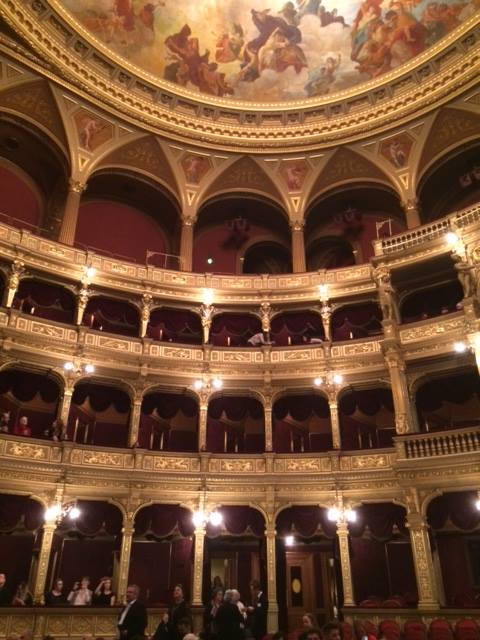
    The first stop was the jewel-like State Opera House (above) where I finally got to see a performance of a Wagner opera, in this case the inspiring Siegfried. Fate and the absurdly high ticket prices at the Met in NYC had kept me in the dark for so many years and it was an astounding and satisfying first take on one of Germany’s greatest composers. Although I had dipped my toes in the watery currents of the Tristan Prelude over the past few years, seeing is believing.

    Chris and Viktor N in Budapest

    The next day I was invited for a jam and a chat by a Facebook friend named Viktor in the suburbs of Budapest. Viktor’s friendly and open attitude was refreshing and on top of that he is an excellent guitar player. We met through guitarist Tom Guerra last year when I told Tom I was going to Budapest and he suggested that I give Viktor a call. Viktor invited me into his home and let me play a couple of his best axes. One was a ’59 slab board Stratocastor – the first year of the rosewood fretboard – and the sound and feel was just stunning: Fat, juicy and very detailed with tremendous sustain and texture (shown above with Viktor and me). Another was a ’56 Les Paul Goldtop with P90 pickups. The sound was more classic Les Paul than P90s raunch. Think sparkle, density, bite, power, sweetness, sustain, balls and everything else you ever wanted to hear out of this top of the heap model.

    I always try to stop into a local jam session when I am traveling. This time I was pleasantly surprised by the nature of the jam at a basement club called Lampas that was right near our downtown Budapest apartment on one of the many narrow streets that are thronged by young people every night. The style of the jam was unique in my experience, with a kind of ‘make it up on the spot’ ethic. This resulted in a solid but hot ‘funk jam’ musical vibe. I was lucky – the jammers show up late and although we arrived fairly late, I was the second jammer to get up on the stage (see video above). I was a bit flummoxed by the house band guitarist Christof’s multi-effects pedal driven rig (I should have just tried all the presets – duh!) and ended up with a very clean sound. The Squier 51 that I keep set up for slide was a far cry from Viktor’s ’59 Strat but I managed to rock a few “No Quarter” style licks and they were starting to play a blues (!) when my time was unfortunately up! 

    Bartok Concert Hall

    On Wednesday night we went to the beautiful Bela Bartok National Concert Hall (above) and saw a spellbinding performance of Thus Spake Zarathustra by Richard Strauss, which everyone knows from the opening chords which form the main theme of Stanley Kubrick’s 2001 A Space Odyssey. The program was conducted by Ivan Fischer, who gained some recent notoriety by refusing to buckle under to the absurd neo-Fascist travel ban attempted by the executive branch of our sadly down-in-the-mouth U.S. of A. On the way there a woman on the tram told us we were in for a treat and that Fischer is one of the greatest conductors working today. She was right on. There were over one hundred musicians on the stage for the Strauss and it was beautifully played, a muscular orchestral sound with clarity and precision but no lack of swagger plus a loose, risk-taking attitude that included several instrument swaps among the violinists. Beforehand, a passionate and daring performance of Liszt’s Piano Concerto No. 2 in A by Dejan Lazic was capped by a lovely encore of a short solo Brahms piece. Heaven!

    Budapest_Jazz_Club

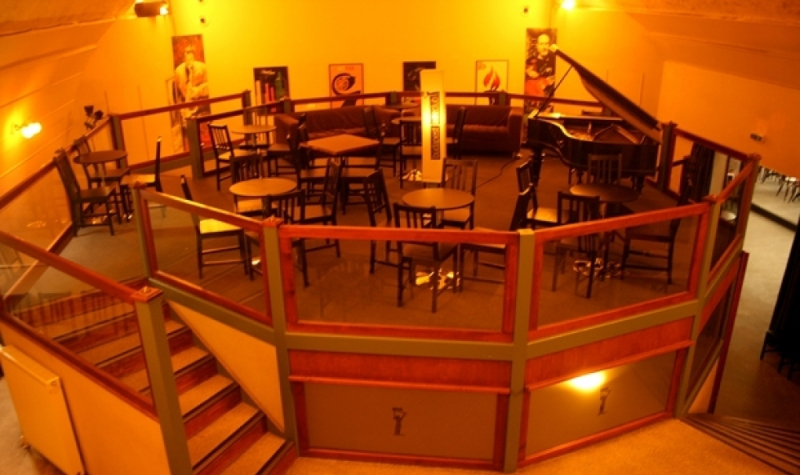
    On the last night, we headed to the Budapest Jazz Club, which is a bit north of the city center on the Pest side of the Danube. One enters the club through a medium sized café before ascending to an elevated, circular stage and seating area where the performers lay it down. Most nights begin with a more formal concert that is followed by a jam session. We went late on a Saturday night and caught the jam. It was smoking, but those expecting a ground-breaking new or out jazz performance might be disappointed. Instead it was a late ‘50s Miles/Coltrane inspired quartet and quintet styled performance, rich and luxurious, comfort food for the soul. The sound of the room and the musicians was resonant and tight. We were sorry to leave but there was a plane to catch in the morning. Next time, I’ll set aside more time for this cozy den. What a cool hang! -Christian Botta


  • Chris With Hardtail

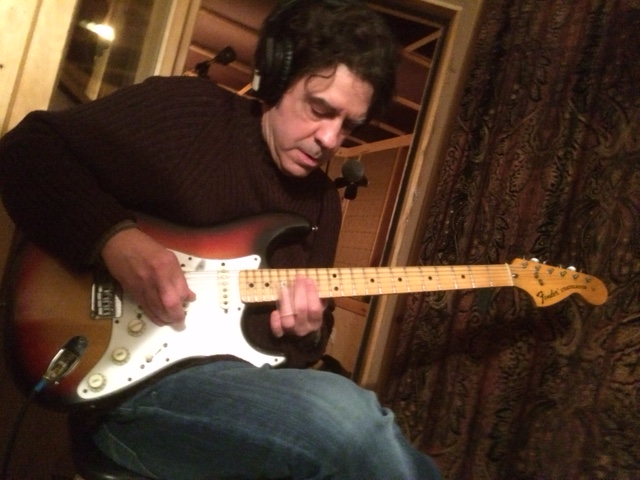
    With the clock starting to tick on the making of Saints & Sinners debut album, we headed back into Jeff Cook’s Underground Studio in Bushwick to record slide guitar. I had my trusty ’76 hardtail Strat along with a 2014 Fender Pro Junior and a couple of pedals. Bassist Dave Gerstein was along for the ride to offer his opinion and offer healthy snacks which were never accepted although much appreciated.

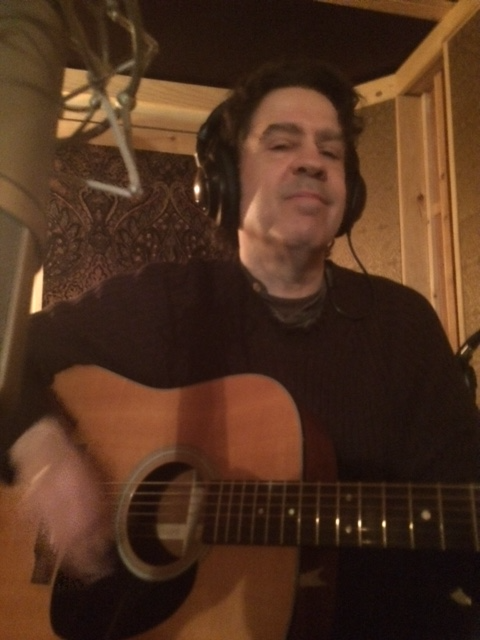
    First up was the recording of an acoustic rhythm track for “Easy Rider Blues,” a re-working of Ma Rainey’s “Weeping Woman Blues.” I used my Martin D-18, which records beautifully. The first take was good but we did another one before deciding that we’d get the slide on there and follow it with different acoustic if necessary.

    Chris With Martin

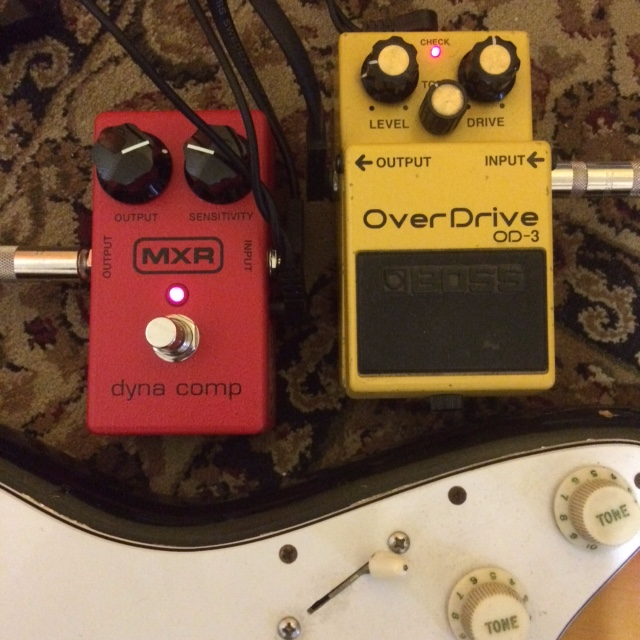
    The slide part was mainly improvised save a couple of licks, something I usually don’t do. I abandoned a riff that I had intended to use and did in fact use live and went with the flow. The original riff was much harder and repetitive, maybe a concept to revisit, but the more atmospheric approach did the trick. I used an MXR Dyna Comp along with my aging Boss OD-3, which is probably my most used pedal ever. The result was a spacy, J.J. Cale feel on the instrumental opening that gave way to much Duane inspired playing throughout the rest of the tune. Not surprisingly, the slide part made the acoustic guitar really dance, and an Exile on Mainstreet feel began to emerge. Well, I guess I've spent enough time listening to that one.

    On our total reimagining of Robert Johnson’s “Malted Milk” as a juiced up rocker with tricky meter changes, I abandoned the Dyna Comp in favor of a more raw, heavier sound. I’ve practiced this one continuously over the past five or six years but still did many takes of three vocal sections – intro and first two verses – middle verses – closing verse. It worked! Next came the solos which were surprisingly easier to get.

    Slide Rig II

    Next up was an original tune, “Good Time Girl,” a fast boogie in G. Fortunately, the main guitar track had been captured in the recording of the drums and bass parts when we laid down the basic tracks. What was left to do was the hardest part to play but also the shortest – an eighth-note based guitar solo at 176 beats per minute. I turned the Dyna Comp back on and got a cleaner but intense sound. Fortunately, I got it after a few takes as I spent a ton of time practicing it leading up to the session. A few more licks and we were done. I look forward to posting the music here. It won’t be long now… I hope. -Christian Botta