•  

    If you’ve ever played some of the licks in “Wind Cries Mary” or “Melissa,” you’ve played major pentatonic licks. But students often ask me to explain the theory behind this major mode application of the minor pentatonic scale. It’s quite simple, but there are still a few ins and outs that can help your own licks and improvisations sound more musical. What follows is an explanation of the theory including some lick examples with video and tab plus useful scale applications.

    What is the major pentatonic mode? Basically, most scales are either of a major or minor quality in general. The two most obvious examples would be the diatonic major and minor scales, such as, C major and A minor. Each major scale has a relative minor scale and vice versa. For example, C major is the relative major of A minor, and C# minor is the relative minor of E major. The same relationship holds true for pentatonic scales. In this article we will explore the relationship between A major and F# minor pentatonic, which are relatives, and E major and C# minor pentatonic, which are also relatives.
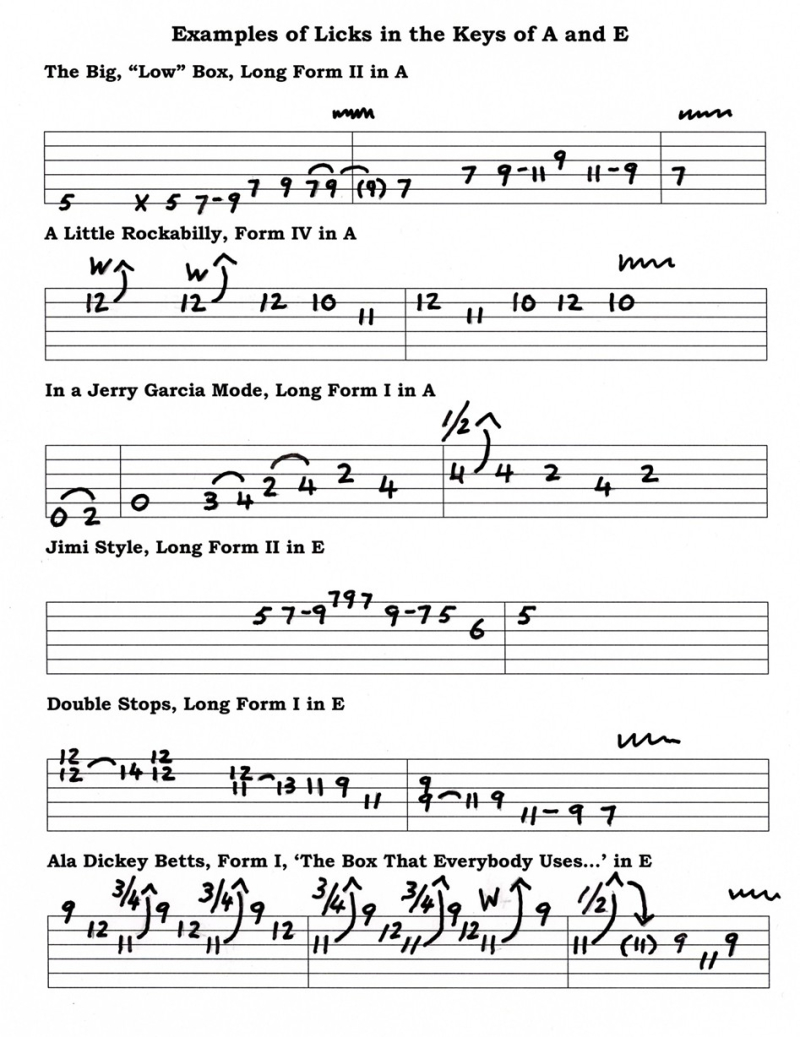
    Major Pent Tab

    The “Three Fret Rule”

    In the simplest terms, you can create the major pentatonic scale for a given key by taking the Form I minor pentatonic or blues scale, the one everybody learns first, and moving it down the fretboard to a spot three frets away. Hence, A minor pentatonic at the fifth fret becomes F# minor pentatonic at the second fret. But, and it’s a big but, you retain A as the tonic, and – another big one – it’s now A major pentatonic. It’s a good idea to look at these two scales and see what notes are in them. What’s different? What’s the same?

    Our former A minor pentatonic scale, A – C – D – E – G, now has the following notes: A – B – C# – E – F#. What’s the same? Well, we still have an A, a C and an E, but the C is now sharped. We inherited a B, which is found in the A major scale, and an F#, which is also from the A major scale. If we wanted to complete the A major scale all we would need would be a D and a G#. Neat, huh? If you don’t want to know or try to understand all the theory, you can just work with the scale patterns and use your ear.

    The Long Form Scales

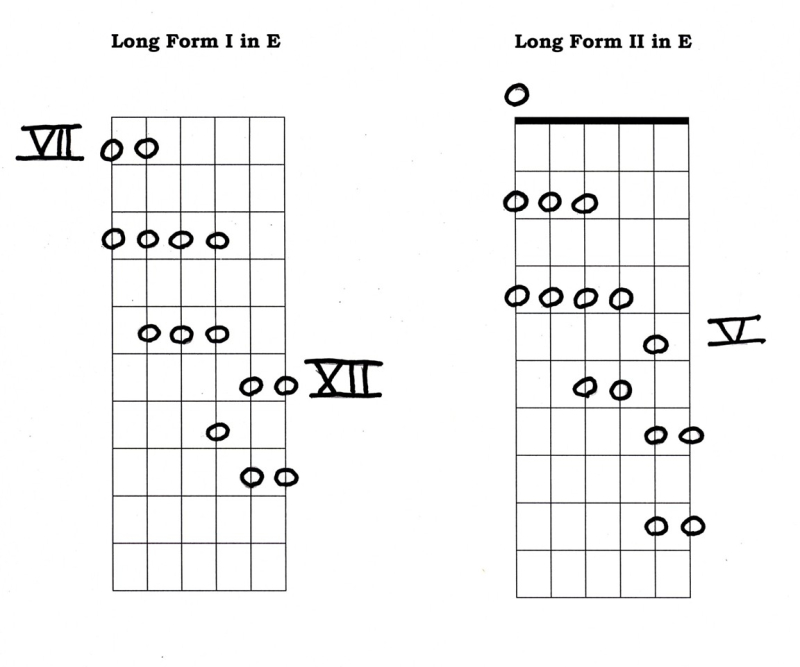
    Once I was showing a student an A major pentatonic long form scale and he said to me, “Oh, that’s the Dickey Betts scale!” I thought, “Validation!!” I find the long form pentatonic scales (see examples below) to work very well for playing pentatonic major runs and licks, mainly because the patterns seem to phrase well going back to the tonic, and also because there are nice little chains of “country” or “pedal steel” styled double stops. To make long form pentatonic scales, you take parts from three different scale forms (there are five in total), a low part, a middle part, and a high part, and you make one long scale out of them.
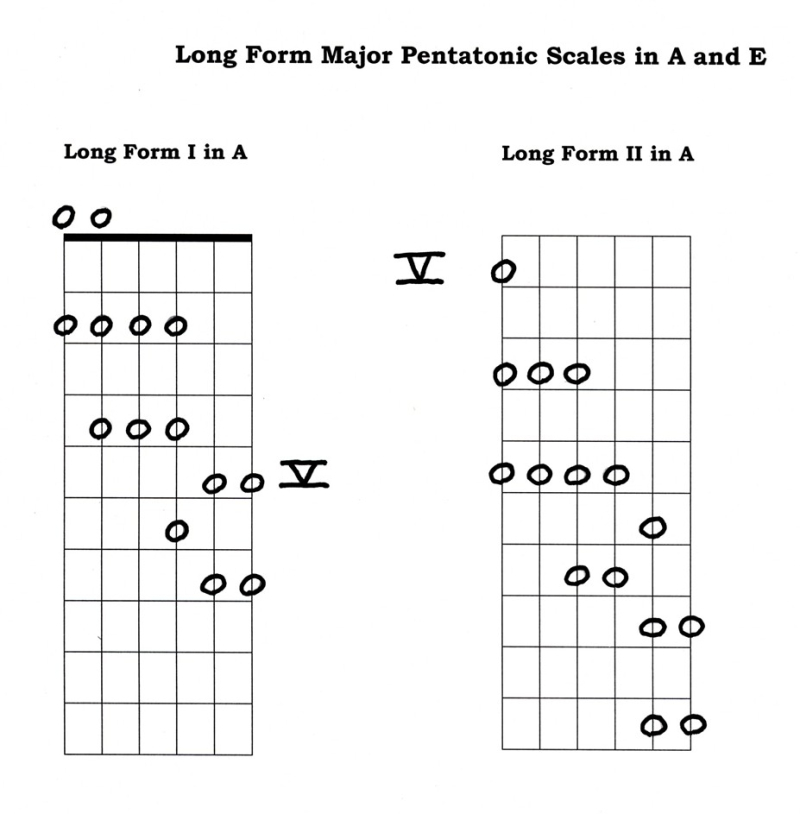
    Long Form MP in A

    Long Form MP in E

    What kinds of music do you play with major pentatonic scales and licks? Rock and Roll, Country, the Blues and R&B, mostly. You can also mix them up (mode mixture), a technique that is especially prevalent in the blues and rock and roll. I’ve included some examples in the keys of A major and E major. You can add in the flat five from the blues scale, but now it has a different function. It still works as a passing tone but now also serves as a lower neighbor to the major third scale degree of the tonic triad. You can add the lower tonic to long form II for a more complete and root-based scale.

    See also my Wilson Pickett article for a scorching major pentatonic blues application. There is also plenty that you can do with plain old box one (form I) and box two (form II). For example, in the key of A, if you move the form II blues box at the eighth fret down the neck to the fifth fret (again, three fret rule) so it sits right on top of where the minor pentatonic scale was, you have one of the prime major pentatonic boxes. Have fun and drop me a line if you have any questions! -Chris Botta.
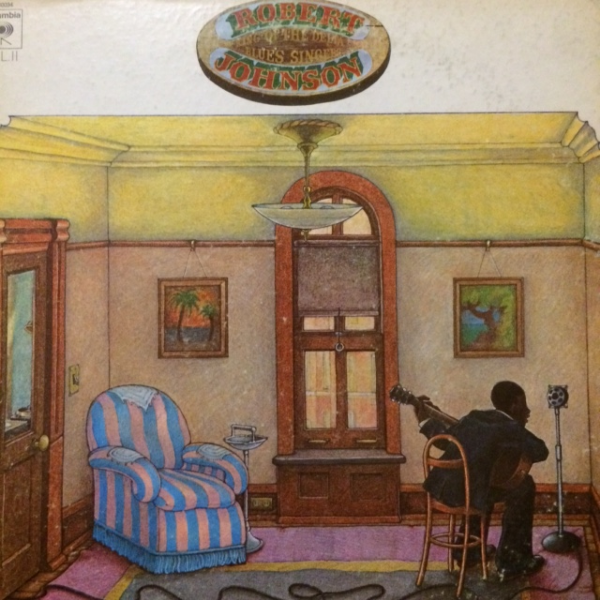
  • King of the Delta Blues Singers Vol II

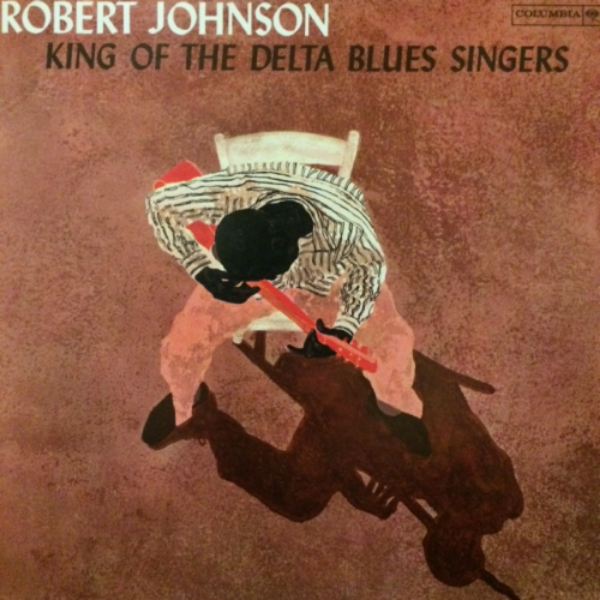
    My search for Robert Johnson goes on like all the rest of us. It started years ago when I was in my early teens. I read a Johnny Winter interview where he said, “If you want to play rock and roll, you’ve got to listen to some Robert Johnson, B.B. King, and Jimi Hendrix.” I went down to the local record store which was called Disco Disc – I don’t think disco had even begun to suck yet – and I asked the clerk if he could order me a Robert Johnson album. He said he’d get back to me.

    King of the Delta Blues Singers Vol I

    When he did, he told me that they (the record company, I presumed) only had The Best Of Vol II. I said OK and in a few weeks I had the album. I must say, though, that I didn’t totally get it. The cover was really cool, but the scratchy old record vibe and the likes of “I’m a Steady Rollin’ Man” and “Drunken Hearted Man” didn’t blow me away. But most of all, I couldn’t figure out what it had to do with Jimi Hendrix. It didn’t help that a lot of Bob’s best stuff was on Volume I. I copied my first primitive attempts at “Stop Breakin’ Down Blues” from Exile On Main Street.


     Back in the fold with the Anodyne Blues Band…

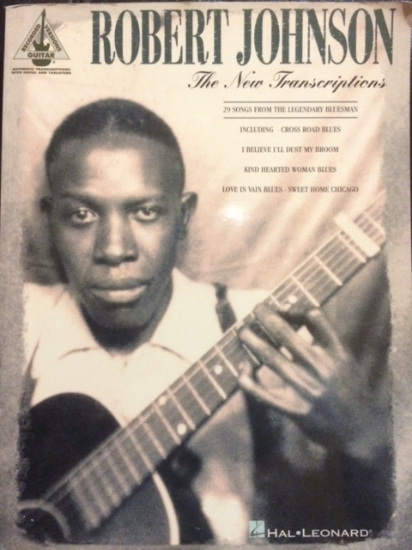
    I started to put it together almost twenty years later when I got the first Robert Johnson boxed set on CD. But I was far from the finish line, still am, it seems. In the intervening years, I got a hold of Volume I on vinyl but rarely played that set. The real prized purchase was The New Transcriptions by Hal Leonard about four years ago. I started bustin’ my brains out on those, making slow progress even though I had learned Mississippi John Hurt by ear all those years ago. I would say, Mr. Johnson is a little more difficult.

    Robert Johnson The New Transcriptions

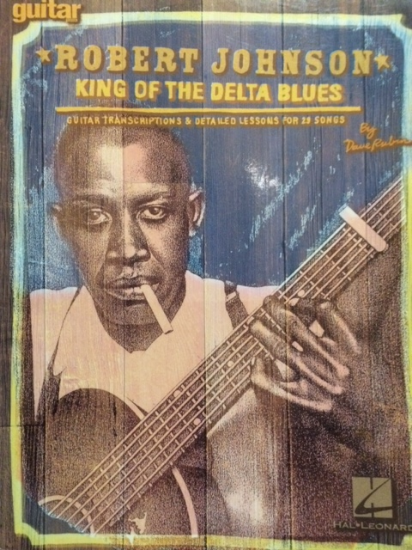
    Recently, I picked up Dave Rubin’s Guitar Transcriptions & Detailed Lessons for 29 Songs, which is one of the things that inspired me to write this post. I don’t pull the trigger easily when making purchases online and not knowing what was inside of this book initially dissuaded me from buying it. But I’m happy to say that I recommend it. Almost any thoughtfully rendered piece on Robert Johnson is worth something, but Rubin’s commentary and focus on smaller spots in Johnson’s songs make for an excellent practice companion. Don’t listen to the naysayers on Amazon – just get it!

    Robert Johnson 29 Songs

    Another source that I recently snagged was the Sixth Edition of Mystery Train, by Greil Marcus. It has an excellent chapter devoted to Robert Johnson. One thing that Marcus helped me with was his love of and admiration for the Stones version of "Stop Breaking Down." I have always loved the song and spent loads of time playing it and transcribing and learning Mick Taylor’s awesome solos (much of which were inspired by Brian Jones’ small but significant attempts at expanding on Muddy’s “I Can’t Be Satisfied"). But when I read the 33 &1/3 book on Exile, I was dismayed by Bill Janovitz's comment, opining that the song was filler. Ha!

    Mystery Train

    It's nice to be validated. Now, I just wish I could get some validation for my version of “Malted Milk,” which I’m about to record with my group, Saints & Sinners. It includes some stretched bars that result from an elongation of the melody. The beat is up tempo, the style much more rock and roll. It is decidedly ‘happier.’ It is ‘transformational,’ if I do say so myself. It doesn’t seem to generate much notice, however, but I’m not about to give up on it.


    At The Shrine with Christof Knoche harp, David Gerstein bass, Mark Feldman drums and Christian Botta guitar/vox

    One last note has to come from the awesome Honey Boy Edwards autobiography. Personally, it can take me forever to get out of my apartment at times. But to paraphrase Honey Boy, ‘Robert just had to hear a train whistle or something and even if he was sleeping, he’d be up and ready to go.’ Another quality to aspire to! -Chris Botta

  • Eat_that_question_frank_zappa_in_his_own_words

    The first I ever heard of Frank Zappa was when he was name-checked in the 1972 Deep Purple anthem, “Smoke on the Water.” There was already a little bit of a backlash building against the song in the mid-seventies, but to my ears, I just wanted to know who this guy was who was so cool that he’s a character in this heavy story about a flare gun getting in the way of making an album. Zappa’s name alone spoke volumes to me. It was mythical.

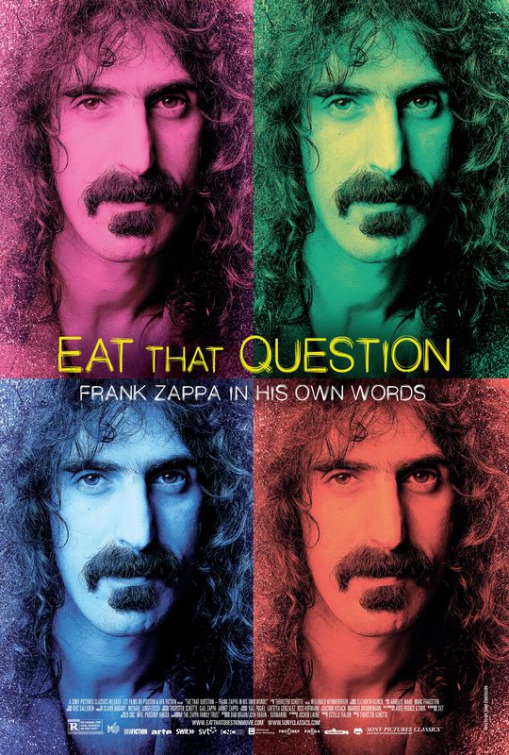
    The Frank Zappa documentary Eat That Question: Frank Zappa in his Own Words explores some of the political and philosophical side of this extraordinary musician and composer while mostly leaving out the elements that made him so attractive to his audience, namely his confrontational music and his unassailable and highly original image. Frank Zappa didn’t need drugs, as we all know. His music and lifestyle were already drenched in sex and a completely honest resistance to conformity – possibly the very definition of rock and roll.

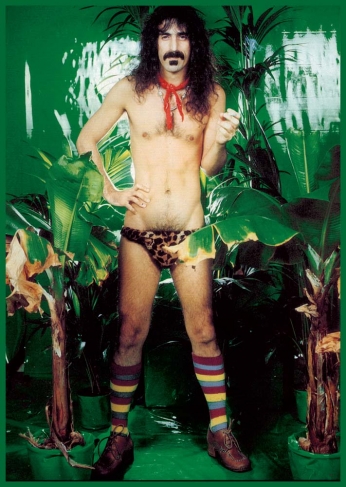
    Frank-zappa-underwear-poster

    “Zappa was an early example of a brand of celebrity in which notoriety overshadowed professional accomplishment,” Neil Genzlinger writes in the New York Times, pointing to Zappa’s quote in the film: “I’m famous,” Zappa says, “but most people don’t even know what I do.” Unfortunately, in his later career, Zappa did make headlines around his squabbles with record companies, the PMRC and perhaps other issues, and the film leaves us with a bit of an impression of a talking head kind of experience and character. But it’s a stretch to question Zappa’s professional accomplishment. He made dozens of successful albums and toured widely to sellout crowds at home and abroad.

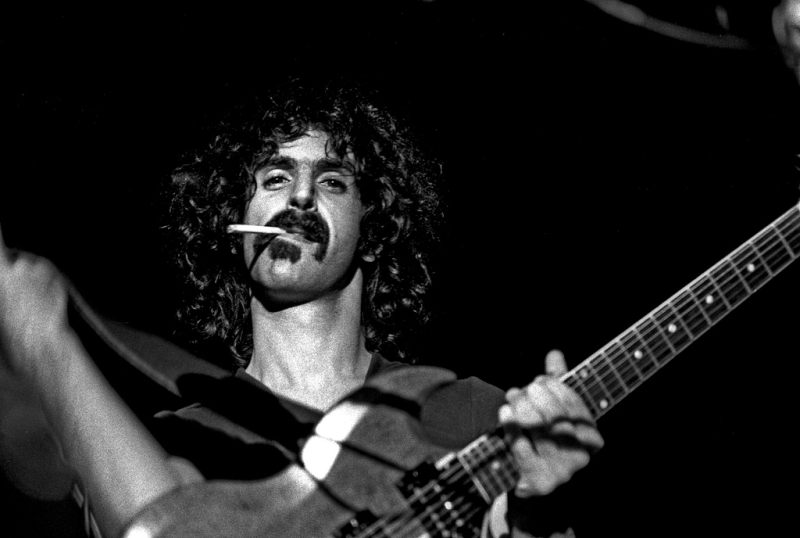
    Zappa With SG

    One idea that Eat That Question bring across very well is that there’s a heck of a lot to know about Frank Zappa. A revealing documentary could be made just about his struggles to get his modern classical works performed properly in the U.S. Apparently, they were much more positively received in Europe. But ultimately one of the things that the movie enlightened me about was why I lost interest in Zappa in the eighties. His complaints about his record label, censorship, and at the same time his increasingly targeted satires like “Dancing Fool,” and “Valley Girl” and self-indulgent guitar extravaganzas like Shut Up and Play Yer Guitar paled in comparison to the music that attracted me in the first place. In that sense, the movie brought me back in touch with a part of my life that I had long forgotten about – my disappointment with the early eighties music scene, and "my period where I hated everything,” as I later referred to it.


    One of my favorite Zappa tunes: Apostrophe

    The Zappa I remember best played outrageous shows on Christmas and Halloween, where Adrian Belew was wearing a dress. Zappa did play ferocious guitar solos, including when he played a guitar that had been owned and burned by Jimi Hendrix. It sounded a bit thinner than Zappa’s SG, but in FZ’s hands is was perfect, an exotic, pure, twangy sound. The band of course was big and spectacular in their talent and execution. But most of all it was entertaining. The movie only gets close to this side of Zappa during one scene. While speak/singing the words to one of his satirical numbers, he goes to the lip of the stage and beyond, shaking people’s hands, looking at little offerings they’re trying to give him, totally enjoying himself. All the while, he doesn’t miss a word or a beat. He was a master and he brought it to the people.

    It's true that Eat That Question only promises a certain facet of FZ – his interviews. But I don’t buy that he was such a tough interview. Who sits there and patiently answers questions while they are dying of cancer? Nonetheless, the movie is essential viewing for Zappa fans. A better representation of his music would have given more to the neophytes. But his sense of humor is proudly on display and the scope of his achievement is evident. I’d see it again. -Chris Botta

  • Saints & Sinners at AT 082016

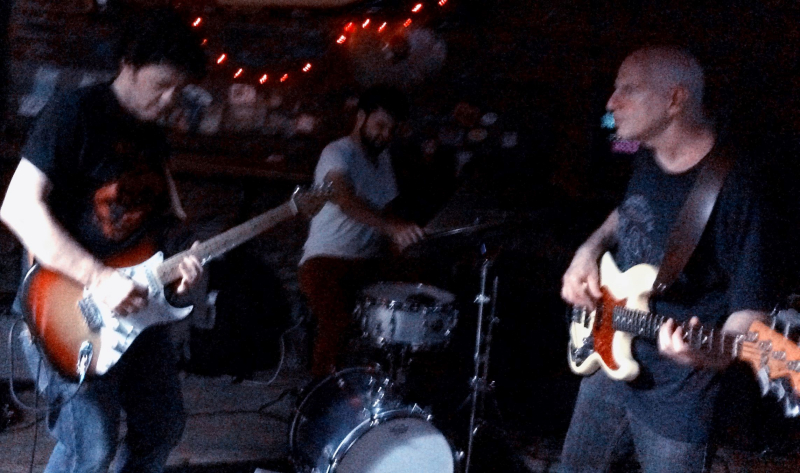
    Rocking out in the dark confines of American Trash

    While crowds thronged the beaches of the world and the Olympics thankfully came to a peaceful and safe conclusion, Saints & Sinners have been not-so-quietly going about our business. We’ve been tightening up our repertoire and preparing for to go into the studio in the fall (our favorite season) with some new tunes and a new sound. Drummer Daryl Cozzi has stepped up on lead and backing vocals (check out the Jimmy Reed tune on video below), and longtime bassist Dave Gerstein was in between tours with Doo-Wop legend Joey Dee and ready to rock as usual. The cohesion of this rhythm section is something to hear.


    We played in support of some talented bands like The Messy Beds and The Shrimps who also ply their trade assiduously, while occasionally being supported by a no-show. August 13th found us at Desmond’s Tavern, where we brandished our cover of Takin’ Care of Business by BTO, a tune that we do somewhat in the spirit of the Replacements. The ninety-five-degree heat that day did nothing to dampen the enthusiasm of the crowd. Check out the singalong in the sound file below. A cancellation brought us to American Trash on August 20th. This club is always rumored to be closing but they still pay – classy. We played for over three hours and did twenty-eight songs.

    Takin' Care of Business

    On August 23rd we returned to one of our favorite venues, The Shrine in Harlem. Two sets sounded terrific onstage. We got a warm reaction from the small but attentive crowd. This was the second or third time that the band that was supposed to play before us took a wrong turn in the Bermuda Triangle. A far cry from the time the legendary Fred Thomas opened up (sic) for us. Now, what a night that was! Our last show of the summer was August 30th at Bowery Electric’s Map Room. The sound was terrific as evidenced by the recording we made and The Shrimps entertained us as we cooled off afterwards. Bring on September!

  • Big Muff

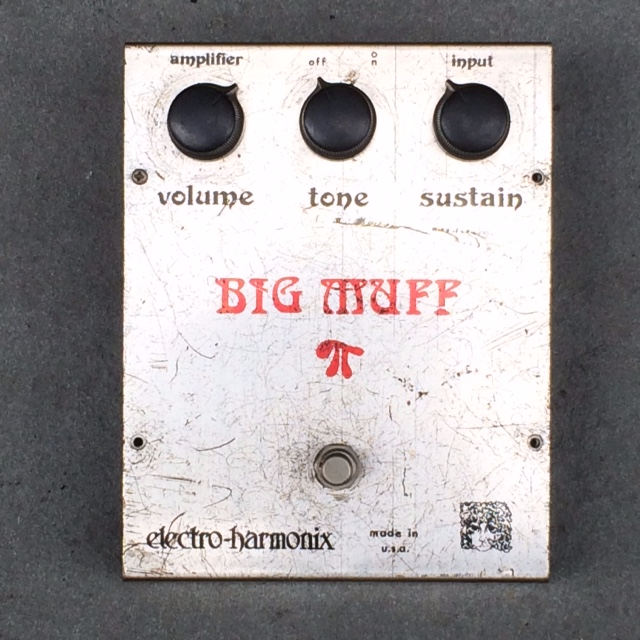
    I was fourteen going on fifteen, and my friends Mike Jett on drums and John Przedpelski on bass and I played in a tiny attic room on the third floor of Mike’s house in Forest Hills, where we all grew up. Mike somehow crammed his brand new, six piece Ludwig black pearl drum set in there and John had a Gibson EB-3 bass and a Baldwin bass amp. I played a ’76 Hard-tail Strat through a Silver Face Twin. I also had an electro-harmonix Big Muff. It was very loud! We did everything instrumentally – no mics, no singing, and no ear plugs. Michael’s brother Robert told me later, “Don’t practice all the time with a fuzz box or you’ll get sloppy.” I took his advice to heart.


    Rock & Roll Hoochie Koo – Rick Derringer

    This song makes for a great workout. We must have dragged it terribly, because the pace of the original is very up. What a production! Interestingly, this and another of my formative songs, The Thrill Is Gone, were both produced by Bill Szymczyk. He actually doesn’t take credit for this one, but is listed on Derringer’s album. With Rick Derringer and Edgar Winter in the studio, who needs a producer? In addition to hearing it and seeing the album cover at another kid’s house, I saw local cover band Threads of Iron playing it at a church dance (St. Luke’s). Although Johnny Winter recorded the song first, I think of it as Rick’s song. He wrote it and recorded the hit version.


    Jumpin’ Jack Flash – The Rolling Stones/Johnny Winter

    I love the Rolling Stones’ original version of this song, especially the way Mick Jagger says, “Watch It!” at the beginning. I would imagine he was half passed out in the gutter and someone was going to swipe his wallet when he gave this warning. But I was turned onto the song more by Johnny Winter, who was very popular in NYC at the time. This was before anyone thought about using the open G tuning ala Keith. There are three main, chunky parts, perfect for fledgling garage (or attic) rockers. I also love the original video for the song, which includes Brian Jones. He apparently hung on long enough to show Mick and Keith how to do it one more time.


    Foxey Lady – Jimi Hendrix

    My guitar teacher at Crest Music Center, Terry, showed me the riff. I took lessons from him for three years. He turned me onto Mississippi John Hurt and lots of other stuff. He even tried to turn me onto the Jam, but I couldn’t get my head around their haircuts. He showed me how to play blues scales all over the neck and in different keys, such as F# ala Foxey Lady, and how to use modes from major and minor to dorian, mixolydian and the rest. I still play this song and it’s always exciting and a challenge. Thanks, Terry!


    Hey Joe – Jimi Hendrix

    This is a song that everybody learns and loves. I once heard some kids playing it in a garage as I was walking over to my friend’s house. They played it clean, like The Leaves, who had the first hit version. We played it a lot louder and more aggressively. I used my Big Muff fuzz pedal, although there is none on the original. I still like to take aspects of Hendrix and mix and match them, ie a fuzz pedal on Hey Joe, or octaves anywhere. My first blog post discussed the solo, and I would eventually write my master’s thesis on Hendrix.


    Sunshine of Your Love – Cream

    This one would have to be included as the first time I ever jammed on a song, because I played it with John and our sadly departed friend Arty McKean (1962-2013) in John’s basement one night. We played this one song the whole night. I had a copy of The History of Eric Clapton, a landmark collection that you never see or hear about anymore. I remember John once saying about the solo, “The thing that’s so cool about it is that it sounds like shit!” He was too young to understand the “Woman Tone” at the time, I guess. At another church dance (Lady Queen of Mercy) I saw the eventual lead guitarist of Threads of Iron renamed Highway, Rob Perucci, playing it left-handed on a Black Les Paul Custom, upside down and backwards. To this day, I hate to see anyone playing upside down and backwards, I don’t know why. Maybe because Perucci nailed every single note of the solo. Some things never change! -Chris Botta

  •  

    Earl Hooker
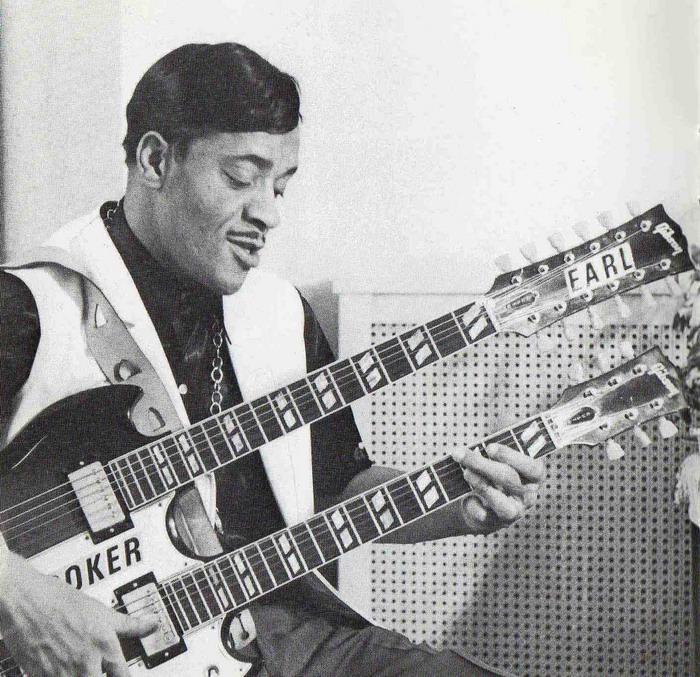
    The jury may have finished with Jimmy Page for the moment, but the Zepmeister must certainly enjoy a chuckle from time to time knowing that one of his greatest sources may never be revealed: Earl Hooker. That’s right – the music for the track “You Need Love,” by Muddy Waters was not actually written by Willie Dixon, but was written and performed by Earl Hooker. So, Earl Hooker turns out to be one of the main architects of “Whole Lotta Love.”

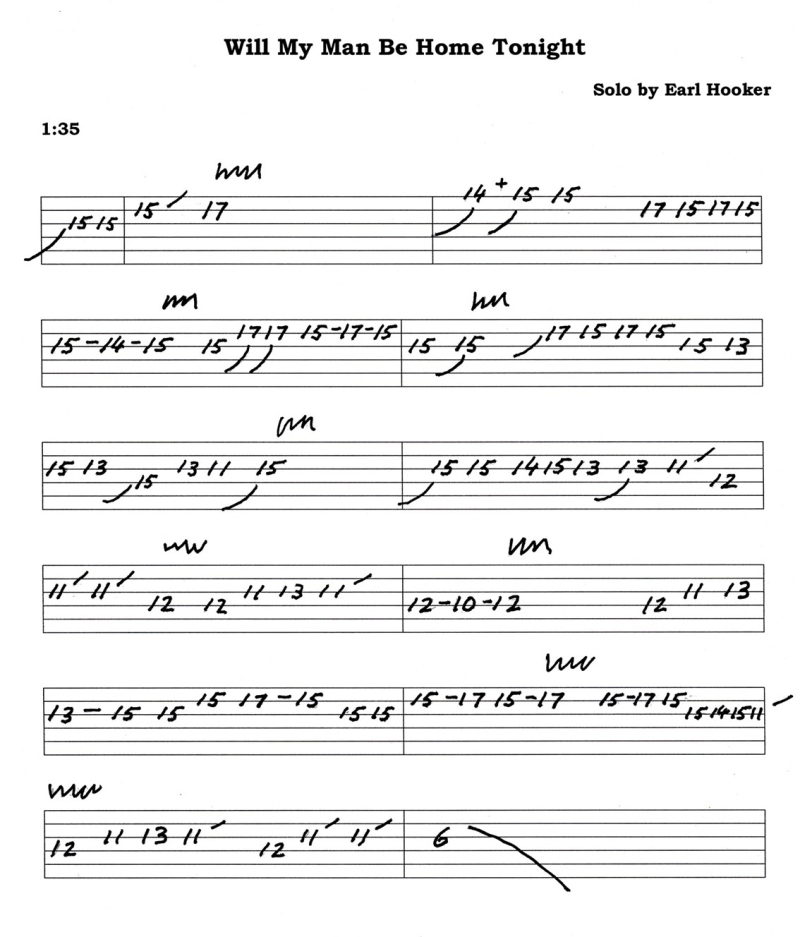
    I had long heard about Hooker’s slide guitar prowess and his deep bag of tricks. I found an interesting collection at the library, the Chief/Ace Story that includes some EH tracks. The tune that really caught my attention was the weeper (literally) by Lillian Offitt, “Will My Man Be Home Tonight.” It was recorded in 1959 when Hooker was thirty years old. I decided to learn the slide part which is greasy, difficult and sly as the devil, comprising fills throughout, a big twelve bar solo and even a wickedly weeping descending lick over the ending.


    I admit however that I am not literally copying Earl’s style. Hooker mixed straight (fingered) guitar licks into his slide excursions and this piece is no exception. He also played in standard tuning. This song is in the key of D, one of my favorite open tunings, so I decided to just play it that way (D – A – D – F# – A – D), fully with the slide. I hope to incorporate some of the ideas into my own open D slide work. It's probable that Hooker placed the slide on his pinky, but I can't confirm that.

    There are some interesting aspects of this tune beyond the solo. The interplay between the piano and guitar is almost telepathic, and Hooker’s use of dynamics is highly sophisticated. Then there’s the sound of Lillian Offitt crying throughout the solo. At first I thought, “Is she laughing?” Obviously not but there’s a sense of irony to the playing that takes this blues to another level. The guitar and piano are so slick and the rhythm section perfectly restrained. Makes you wonder a little bit, “Whose side are they on?”

    Earl Hooker

    Check out the tab and video. The hardest part of the solo is the extended single note run that goes from the second half of measure four to measure five. I figure that Hooker played all but the last note with his fingers, and I’ve tried it, but it doesn’t make it that much easier, especially in terms of duplicating the sound. I had to play this run a million times and many of the licks in the solo had to be broken down and practiced as three or four note fragments. Another point of interest is that Earl stays in a pretty minor mode. He never quite reaches up to a full major third. Perhaps that’s another layer of emotional commentary. In terms of right hand technique, I find I prefer the sound of my index finger and I use it for a lot of the notes.

    For the video, I used my ’76 hardtail Strat through an MXR Dyna-Comp and a Fender Pro Junior. A little noisy, but I feel that I got some of Earl’s smooth, glassy sound along with an element of attack that was missing from my attempts with a Marshall. I used a Dunlop #218 glass slide.

    Earl Hooker’s achievements tend to fall somewhat below the radar of all but die hard blues fans and musicians. But an invaluable source did come into my possession during the time that I was researching this article and digging Earl in general. It’s a book by Sebastian Danchin, a noted blues and jazz scholar, writer and radio programmer, entitled, Earl Hooker: Blues Master (1998). It’s a detailed, well-researched and spirited work that will help anyone who is interested in finding out more about Earl Hooker and the 1950s and ‘60s blues scene in general. -Chris Botta

  • Ellen at Jay 071516

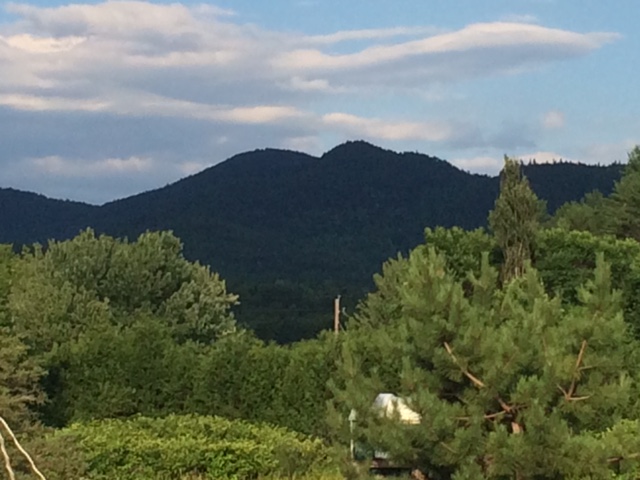
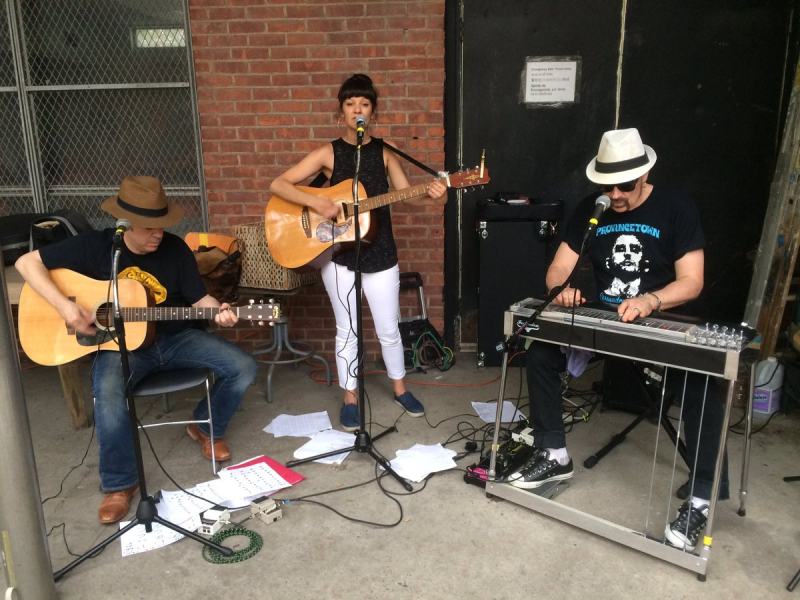
    Last weekend Sleepless Nights drove up to Jay, NY on our first road trip. We were invited to supply music at the Jay Invitational of Clay 2016, which showcases and supports artists working in clay from around the region. First and foremost, we had a great time! The weather was beautiful, as were the Adirondack Mountains. We’re extremely grateful to our generous hosts, Jason Andrew and Julia K. Gleich, who are the founders of the Norte Maar arts organization.


    Jason owns a picturesque spread nestled in the hills and mountains right near Jay and that’s where the event was held. It was a truly breathtaking setting. We played a couple of sets on Friday night and again on Saturday afternoon. The music went really well and we were lucky to have a very appreciative audience. It was a lesson on being in the moment as the view from the stage was absolutely inspiring.

    Adirondacks

    The view from the stage

    In another first, we unveiled our new Sleepless Nights T-Shirts and sold a few.  With all the beautiful pottery and other works in clay that were on display I thankfully had the presence of mind to pick up a lovely pair of coffee mugs made by Jerry Sequin. I originally bought only one but when I mentioned it to Jerry he gave me the other one saying, “Thanks for the music.” That really made my day. A highlight of the trip was our delicious breakfast at the Country Bear Café. If you are ever in the Jay area, by all means stop in. Another highlight was the Kiln being fired up in front of us as we were playing!

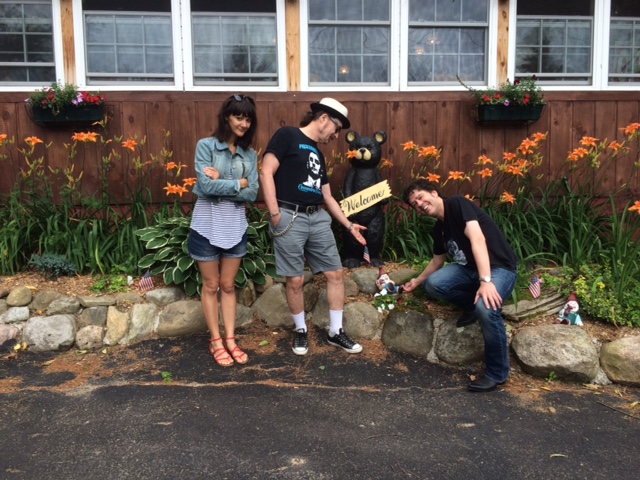
    Country Bear

    Ellen Croteau, Ron Raymond and Chris Botta outside the Country Bear Cafe

    In other news, we’ll be appearing at Bar Chord, a very cool music bar in Ditmas Park in Brooklyn on August 9th. We hope to see you there!

  • Joe Perry Bio

    I started writing this before the news of Joe’s illness. All I can say is, “Get Well, Joe!” Hopefully, he’ll make a full recovery. It was scary to spend so much time reading about Joe Perry and then hear that his life was in danger.

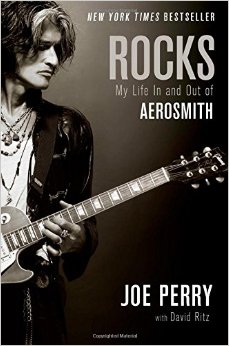
    At its core Rocks: My Life In and Out of Aerosmith (written by Joe with David Ritz), is very personal. Joe starts out with a detailed account of his family life and upbringing in Hopedale, thirty miles outside Boston, and summers with his family at Sunapee Lake, an idyllic retreat for “upper middle class” families in New Hampshire. This thread in the book is ever present. Joe is a family man and he strives to be honest and to treat people with integrity. Other people count in his life, and although he describes himself as shy and introverted, he has little trouble making friends or navigating the treacherous world of show biz. The rise – fall – and rise again trajectory of Aerosmith is largely his masterpiece.

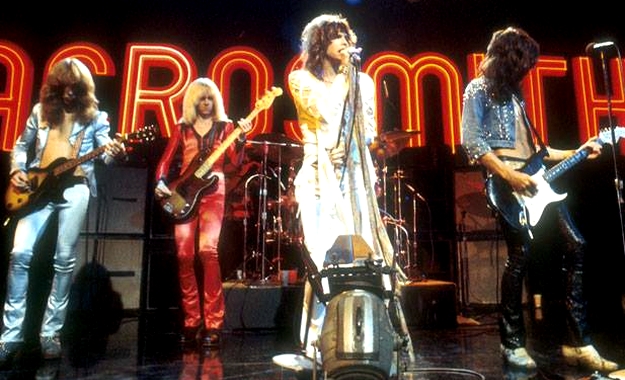
    Aerosmith

    Joe can admit his own faults. But because he’s so forthright, he at times comes across as a bit too critical of Steven Tyler. I tried to read Steven Tyler’s bio and if Joe and Steven’s careers were to be judged on their memoirs, Tyler would be in trouble. Long story short, it’s a difficult job to get the other side of the story. Rocks is eminently readable while Steven Tyler: Does The Noise In My Head Bother You? comes across as a barroom ear bender that you just want to turn away from. To hear it from Joe, ST is the quintessential difficult lead singer who writes songs at a glacial pace and stabs people in the back often enough to alienate a small army (but not the Blue Army). This idea is almost beaten to death, although it’s believable. At the same time, Joe and Steve are never far from ‘brotherhood,’ they spend time together and essentially Aerosmith is dependent on their relationship’s success. It’s a very interesting story within a story but not enough self-reflection or the other side of the story is provided.

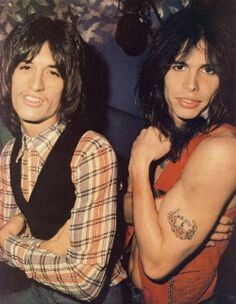
    Joe and Steven

    Joe’s love of the guitar and music is strongly emphasized, but along with various key elements such as Tyler’s perspective of the situation, the real nitty-gritty of making music and playing is somewhat left out. I have long heard the rumors that Joe didn’t play key parts on some Aerosmith songs, and this important information is never addressed. It’s more or less established fact that “the Cooper Kids” played lead on Aerosmith’s very important cover of “Train Kept A Rolling” and I have always wondered, if Joe Perry played all the killer guitar on Toys, why couldn’t he have played all of those guitars, too? But the truth is that the hard partying 70s had more than their share of overdubs and odd bedfellows. It would have been fascinating if Joe could have addressed these issues but that might have presented another level that would have made it difficult to maintain the book’s consistent and engaging style. The bottom line is, I couldn’t put the book down. It’s very well written and Joe Perry is great company. I could easily imagine reading the book a second time. Aerosmith fans will be overjoyed, and fans of the era will be well entertained. 

    And now, a little personal background. I saw Aerosmith at MSG back in the ‘70s during their heyday. Even then my 14-year-old brain had reservations. They didn’t seem to have that many great songs and although they kicked ass, I thought of them as a cross between Led Zeppelin and the Stones. It would take years for me to figure out the missing link to that equation. It came in the form of a Hubert Sumlin birthday bash with Levon Helm on drums and a Jagger-esque, Tyler-like vocalist. He was singing all the classic songs of Muddy Waters and Howlin’ Wolf, quite capably – his name was David Johansen.

    That show would prove to be of major importance to me. But in reality, I come from the Aerosmith generation much more than I care to admit. In fact, the first time I ever heard “Walk This Way,” I actually saw a band playing it at the Forest Park Band Shell in Queens, NY. I thought it was their song. My second encounter with the band was through some girls I met at a ski lodge in Vermont in the mid-70s. They were huge fans from the Boston area and pronounced the band’s name in classic fashion – something like ‘Ear-O-Smit.’ I had a crush on both of them. More recently I’ve been playing my vinyl of Toys In The Attic over and over and digging the guitar work of Joe Perry, which is way better than the stuff on "The Train Kept A Rolling." -Chris Botta

  • Ellen and Ron at the Lair

    Ellen and Ron prepare to hit the road

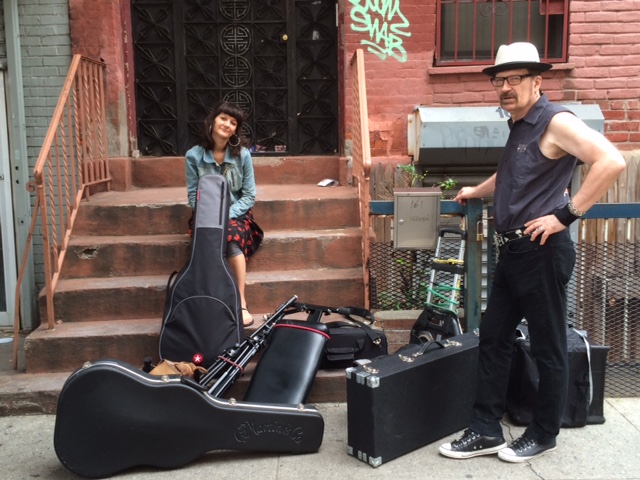
    Sleepless Nights has been one busy group these days. We returned to Parigot, the lovely French Restaurant on the border of Chinatown and Soho, on Saturday, June 18th. We played two sets that night and a raucous party ensued after the show during which we were informed that a lithesome French beauty wasn’t wearing any underwear. OMG! Unfortunately, she didn’t throw them at me while we were playing or it would certainly have made my year.

    Sleepless CSA

    Chris, Ellen and Ron at the CSA

    Our next gig was on June 23rd at the Stanton Street CSA, a beautiful community garden in the Lower East Side where locals buy fresh produce from upstate. Got to nick a couple of amazing fresh strawberries in the bargain, too! A highlight of the month was a house party that we played in Tribeca on June 28th. There was much eating and drinking, including some very good vintage wine. A video of “Wild Horses” from that concert is included below.


    On July 15th we’ll be heading up to Jay, NY to play at the 3rd Annual Jay Clay Invitational Art Exhibition. We’ll be appearing at the main opening event on Friday night, and then do another local gig TBD on Saturday night before heading back to sizzling streets of NYC on Sunday. A well-earned respite from the chaotic urban lifestyle, I must say!

    We are also very happy that we will be playing at Bar Chord, a music bar in Brooklyn on Tuesday, August 9th. Bar Chord is in Ditmas, Brooklyn at 1008 Cortelyou Road and they have an impressive lineup of musicians along with an outdoor patio and a great selection of libations. We hope to see you there! -Chris Botta

  • Pickett Jimi Cornell

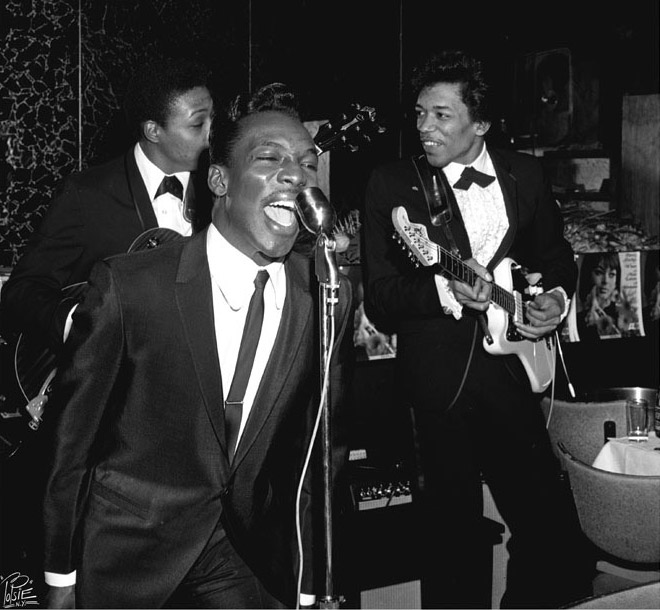
    Wilson Pickett, Cornell Dupree and Jimi Hendrix rock the house.

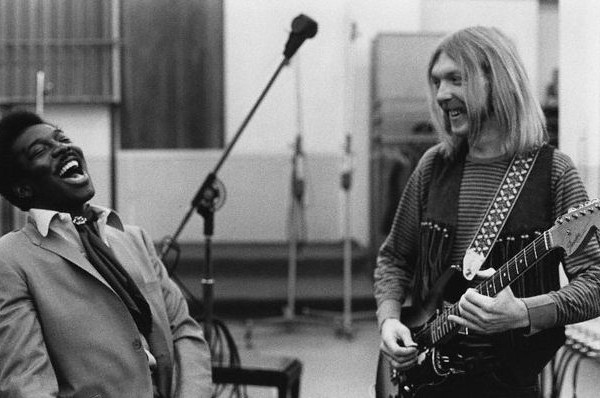
    R&B titan Wilson Pickett really knew guitar players. Just two of the hot shots that he employed in the 1960s include Duane Allman and Jimi Hendrix. Didn’t they come out number one and number two on a Rolling Stone Greatest Guitarists list awhile back? Well, like I said, Pickett could pick ‘em. He also worked with Steve Cropper, one of the masterminds of the Stax sound, and even wrote songs with him, such as “In The Midnight Hour.” But who is playing the scalding, driving, greasy guitar on his first big hit, “It’s Too Late,” from 1963?   

    Jimi and Duane weren’t actively recording at that time. The famous picture of Jimi and Pickett also includes Cornell Dupree, who backed Sam Cooke on his incendiary Live at the Harlem Square Club (1963). Cornell Dupree is possible but it seems his recording work with Pickett came a little later. Speaking of Sam Cooke, Bobby Womack is also possible – he was touring with Cooke around that time, too. Another hot guitar player who was given to playing quick bursts of notes is David Walker, who played with Etta James on her Rock The House live album, recorded September 1963 at the New Era Club in Nashville. 1963 would seem to be a watershed year for smokin’ R&B. This Etta album is a favorite of mine and I have to add that I have a minor obsession with live albums from this period.

    Duane-Allman-and-Wilson-Picket

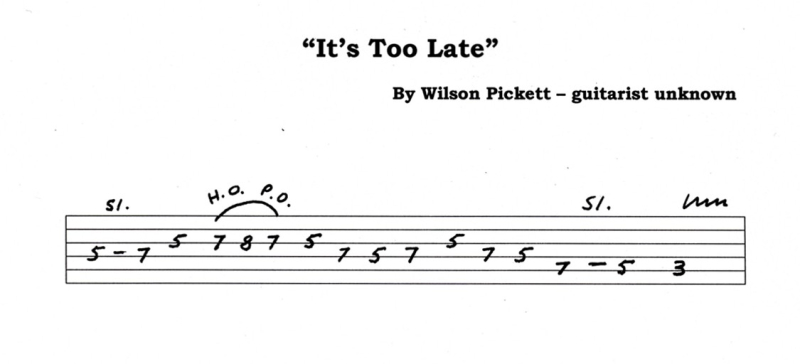
    One last guitar player comes to mind, and that would be Chips Moman, who just passed away. He was most famous for his work as a producer, orchestrating Elvis Presley’s comeback in the late ‘60s. But he started out doing studio work and was a founding member at Stax. But let’s take a look at that blistering run. (see video and tab)


    Sixteen notes are unleashed in an almost arrhythmic frenzy – triplets, sixteenth-notes and sixteenth-note triplets all tumble out in short order. The foundation however is quite simple, a major pentatonic scale in C that is straight out of the pattern that I call Long Form I, a lower and upper extension of minor pentatonic scale Form I at the fifth fret (the one that everybody learns first). This lick uses only the lower extension and the central part of the scale. The chord progression for the intro and verse is C – Am – F7, and the lick begins over the F7 chord, leading back to C. The sixteenth note triplet (hammer and pull) at the beginning emphasizes the note Eb (the 7th of the F7 chord) which gives the run its seriously bluesy sound.

    Wilson Pickett

    I’m not sure what kind of guitar this gunslinger is playing, but judging by pictures of Wilson with Jimi and Duane, and the fact that Steve Cropper is a Tele player, I think we can safely say it’s a Fender. I tried recording it once with a Strat, but I didn’t think that any of the pickup selections matched the sound that well. It could have been a Jazzmaster or Jaguar. I ultimately decided to use my Kelly Tele, and you can see for yourself if you think I got a good approximation of the tone. I used a Fender Deluxe 65 RI with a Weber Greenback and a Boss OD-3 set to a moderate amount of gain. The pickups are Lindy Fralins.

    The mystery remains – who was that masked man? If anyone out there knows, please drop me a line. In the meantime, I’ll continue my research. It’s one of my favorite activities and probably one of yours, too. -Chris Botta